Kurofune Soap: Developed by Elementary School Students Together with Their Community
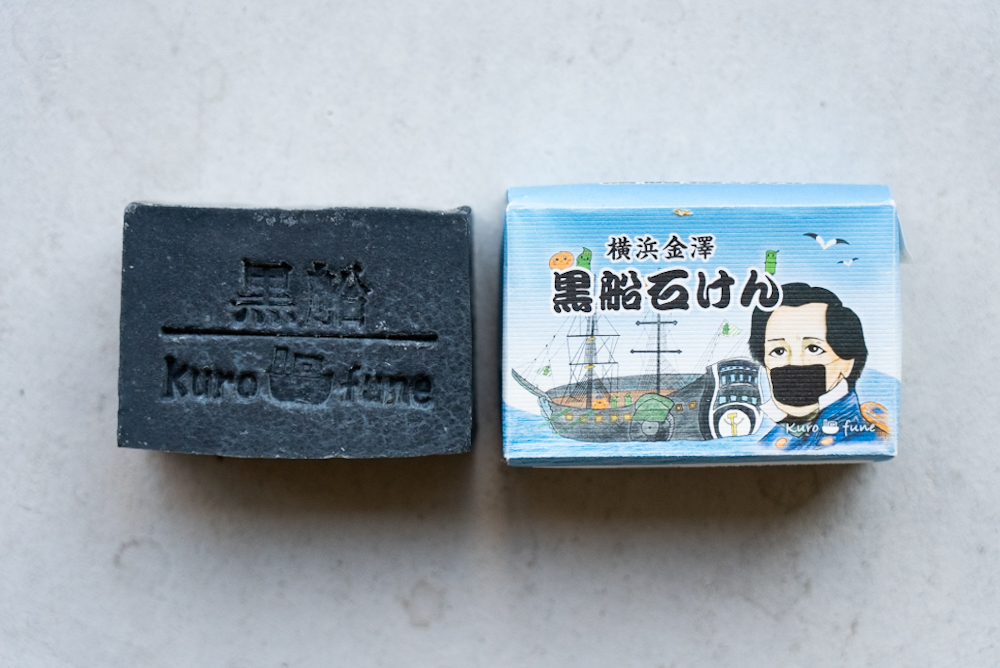
“Kurofune(Black ship) Soap” is an original product created by fifth‑grade students at Segasaki Elementary School in Kanazawa Ward, Yokohama City, in collaboration with local businesses and organizations.
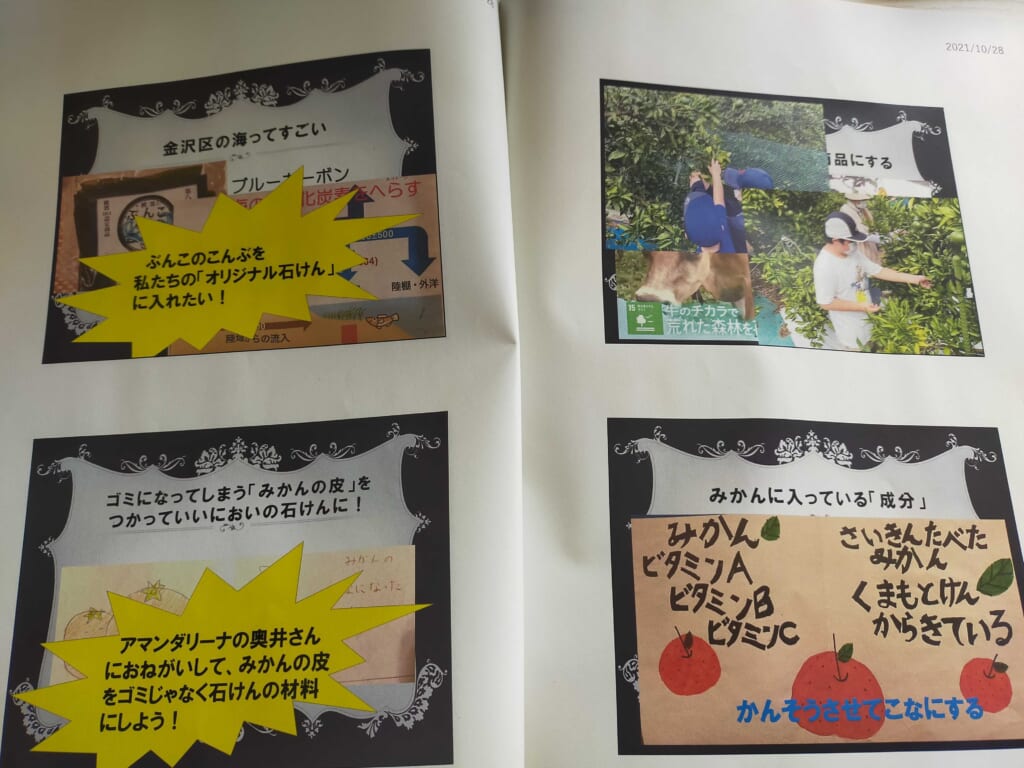
The project began in June 2020 during the school’s integrated‑studies period, “Segasaki Time.” After brainstorming local problems that needed solutions, the students wanted to make handwashing more fun and effective, especially when it had become essential to prevent COVID‑19 at the moment. As they studied environmental issues and the SDGs, they decided to energize their hometown with a soap made from eco‑friendly local ingredients. The result is this product.
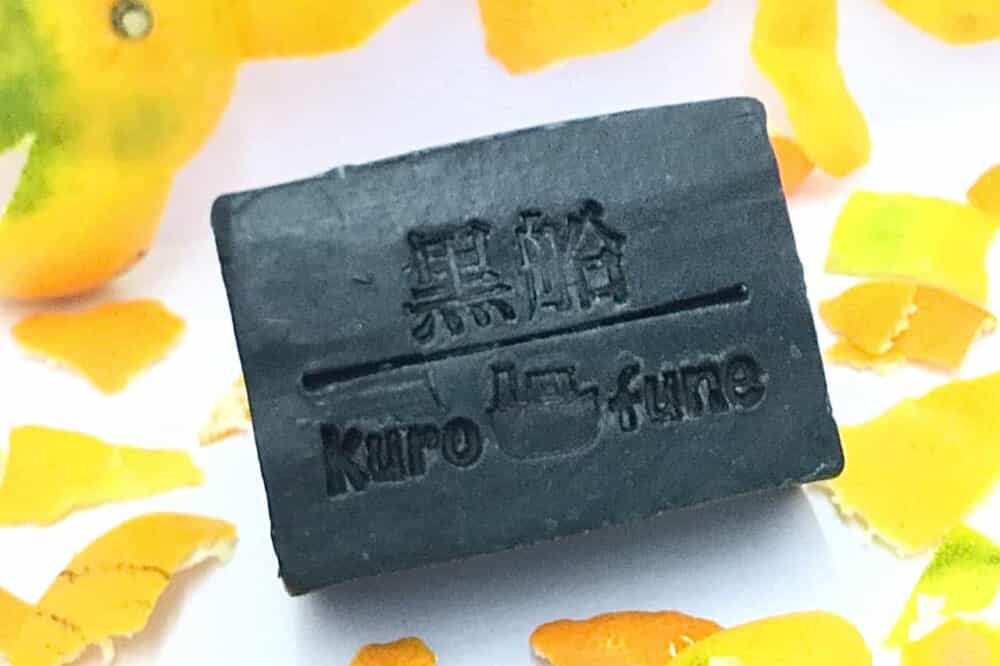
The soap uses palm oil produced on plantations certified by the RSPO (Roundtable on Sustainable Palm Oil), an international system promoting sustainable palm oil production and use. Its black appearance and the historical fact that Commodore Perry’s “black ships” anchored off Koshiba in Kanazawa Ward inspired the name “Yokohama Kanazawa Kurofune Soap.”
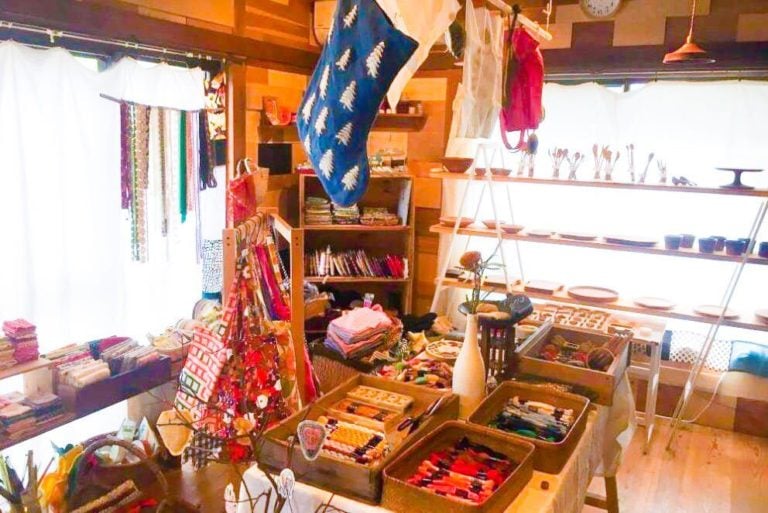
This product is on display and for sale at the YOKOHAMA CIRCULAR DESIGN MUSEUM operated by Circular Yokohama.

What Makes the Project Circular
1. Ingredients sourced locally with community cooperation
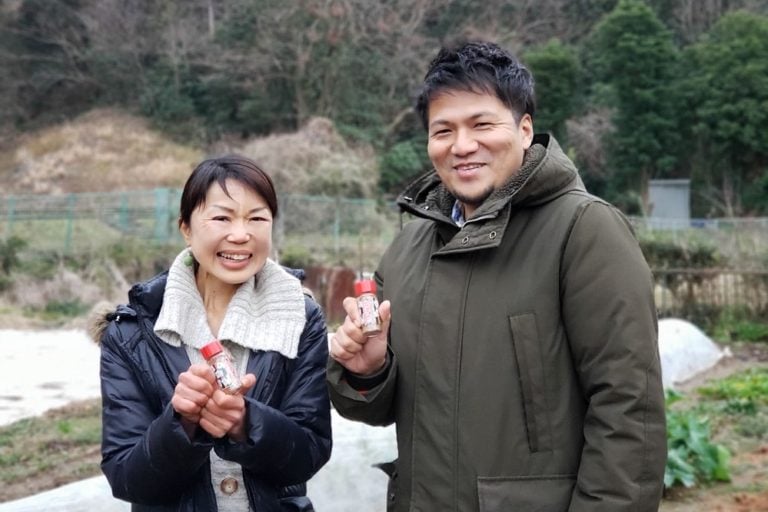
The soap contains charcoal that absorbs dirt, kelp grown off Koshiba port, and even mandarin‑orange peels that used to be discarded after school lunches. These local materials are supplied with help from partners such as Sachiumi Heroes, a group restoring marine environments through kelp; Sumi Plus Lab, which researches raw materials based on hydrogen and charcoal; and Hamandarina, a company that turns otherwise wasted green mandarins into food products. Manufacturing is handled by Taiyo Yushi Corp, which specializes in soap made from natural ingredients. Obtaining ingredients and making the product within the city also helps cut CO₂ emissions from transport. Viewing waste as a resource and turning it into economic value is another key feature.
2. Environmental education through product development
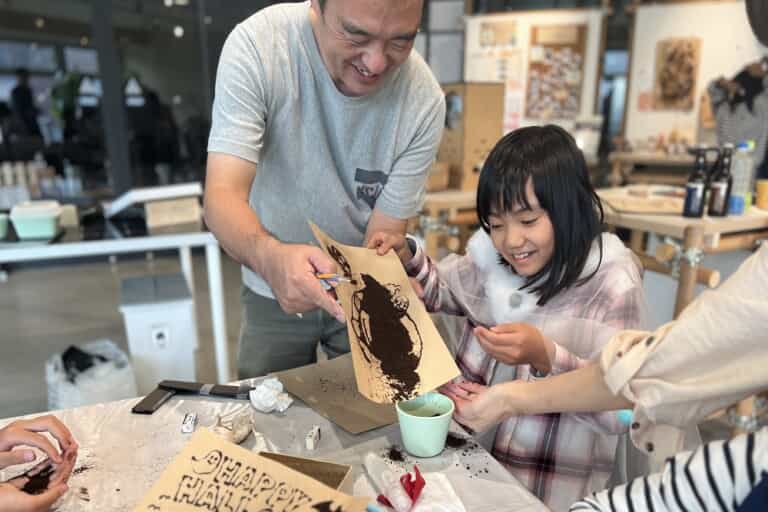
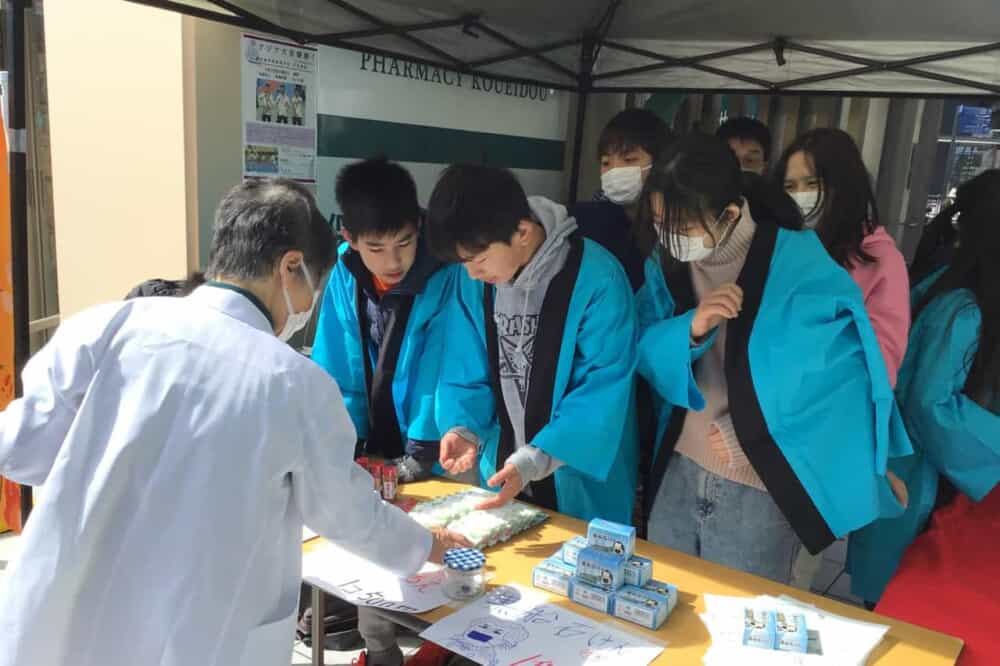
Over about 18 months, the students learned about global warming, worldwide environmental challenges, the SDGs, and the circular economy, ultimately turning their ideas into a commercial product. Treating regional issues as their own and working alongside companies and organizations created a model environmental‑education experience that deepens community understanding of both environmental and social issues.
3.Promoting local production for local consumption and waste reduction
Kurofune Soap is sold with three goals: encouraging frequent handwashing for better health, energizing the community, and contributing to the global environment. Because it is made from local materials and discarded food products, higher sales directly promote local production for local consumption and waste reduction, creating a virtuous cycle that helps preserve Kanazawa Ward’s natural environment.
Project Overview
| Organizer | SDGs Yokohama Kanazawa Living Lab |
| Category | Education, Regenerate |
| Introduced | February 2022 |
| Address | Kanazawa Ward, Yokohama, Kanagawa Prefecture |
| URL | https://www.facebook.com/SDGsYOKOHAMAKANAZAWA/ |
| Contact | Please inquire via the Facebook page |