Sachiumi Heroes: Protecting and Reviving the Ocean through Kelp Farming
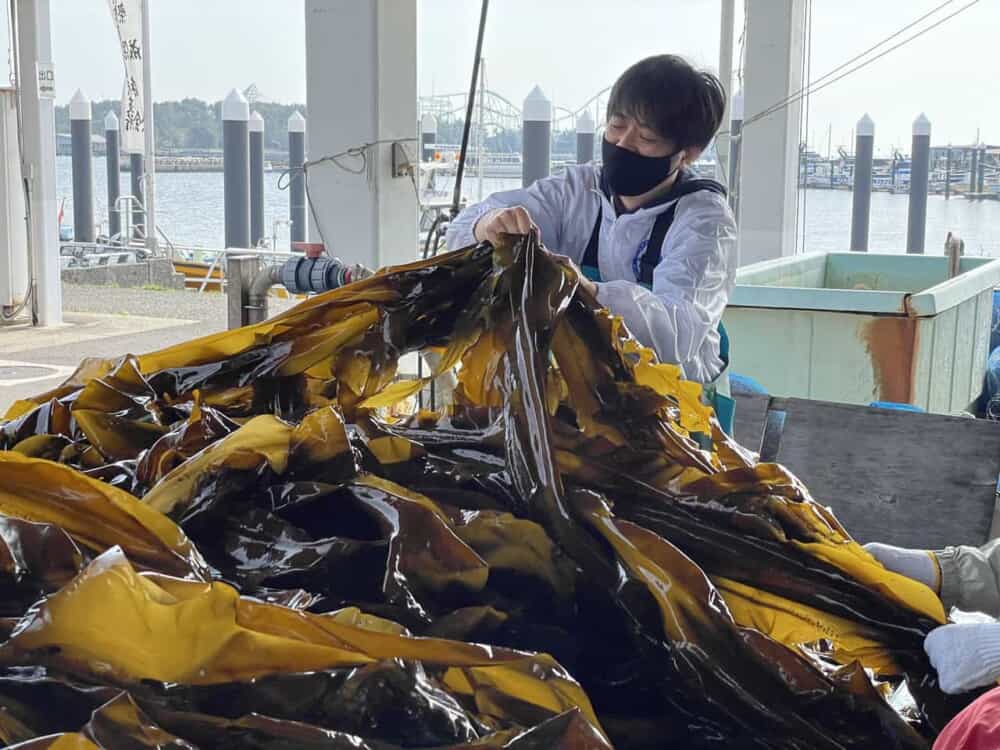
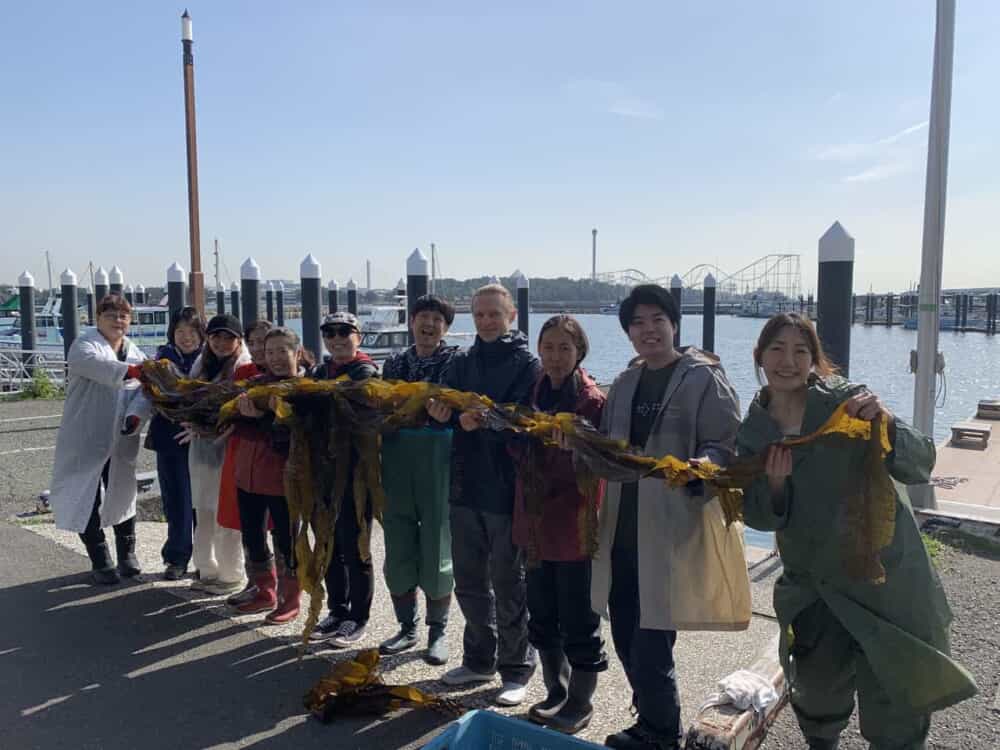
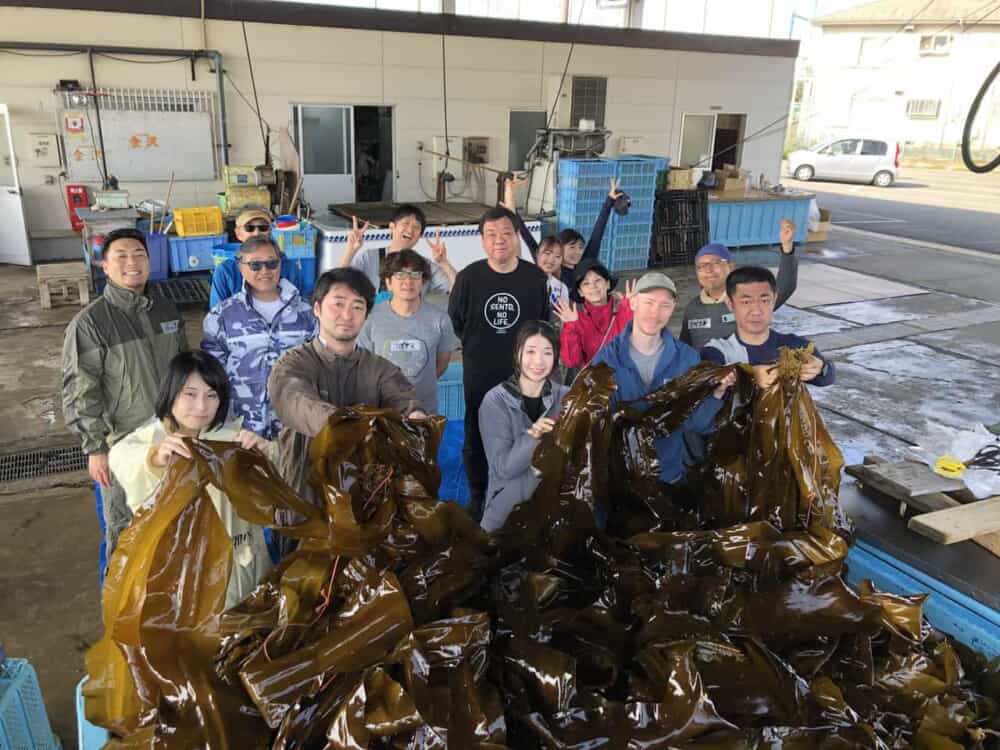
Sachiumi Heroes enriches marine ecosystems through kelp farming, aiming to contribute to the environment and society while revitalizing the local economy. They work with local fishers to cultivate kelp in Yokohama’s Kanazawa Ward.
In recent years, rising seawater temperatures driven by global warming have altered marine environments. Herbivores such as sea urchins and abalone consume entire seaweed beds, turning coastlines into barren “underwater deserts,” a nationwide problem known as iso‑yake in Japanese. It is because kelp is highly effective at absorbing carbon dioxide, cultivating it helps mitigate climate change. Farming kelp also increases plankton—the food source for many marine creatures—which attracts larger fish and restores ecological balance, making the ocean healthier.
This project does more than just conserve the marine environment, as it actively regenerates it, creating a restorative cycle. By “building an underwater town where fish thrive,” Sachiumi Heroes develops products from harvested kelp, collaborates with local businesses and organizations, and hosts study tours from Japan and abroad, expanding community involvement while fostering a new economic loop.

What Makes the Project Circular
1. Kelp farming addresses climate change and iso‑yake
Kelp can absorb about 16 tons of carbon dioxide per hectare per year, roughly five times more than the same area of planted cedar forest. As part of a blue‑carbon ecosystem, expanding kelp beds is expected to help combat global warming. By increasing plankton, kelp cultivation also restores ecological circulation and helps solve iso‑yake, now a serious issue in many coastal areas.
2. Creating local jobs during the fishing off‑season
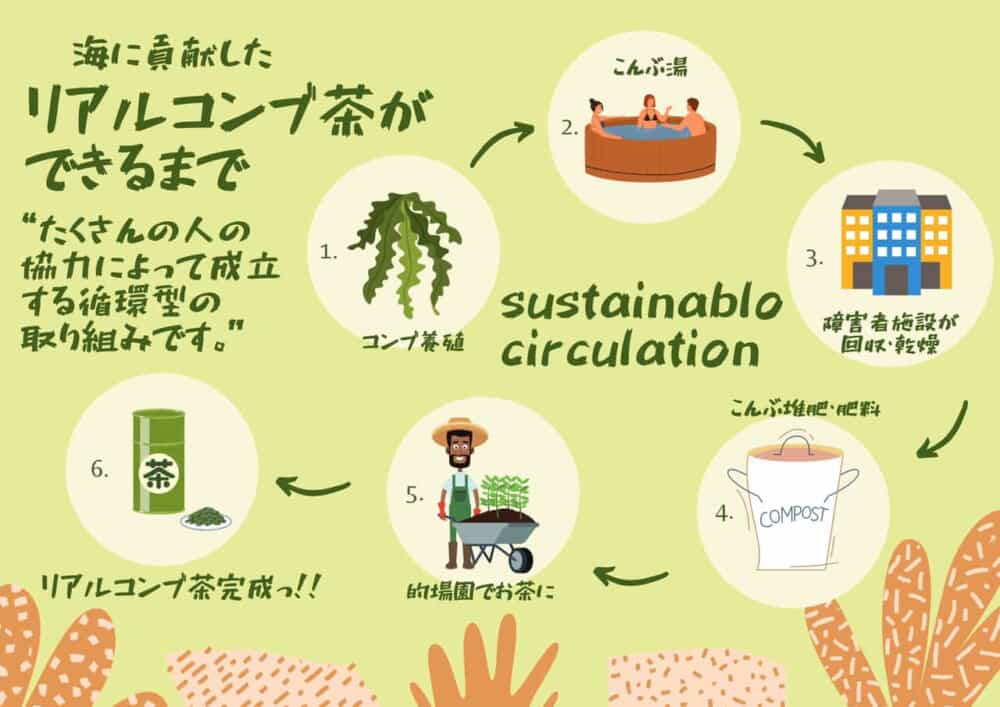
In Kanazawa Ward, kelp is farmed mainly from November through March, when fish are less active and the fishing industry slows. Using this off‑season for environmental restoration creates a win-win situation that protects the ocean, while generating local employment and new income streams. Part of the kelp‑processing work follows a “fisheries‑welfare collaboration,” creating jobs for people with disabilities.
3. Branding Kanazawa‑grown kelp to revitalize the economy
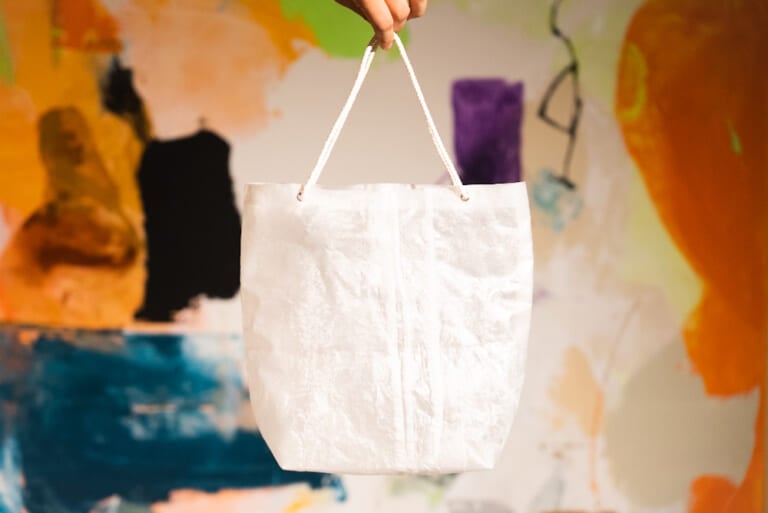
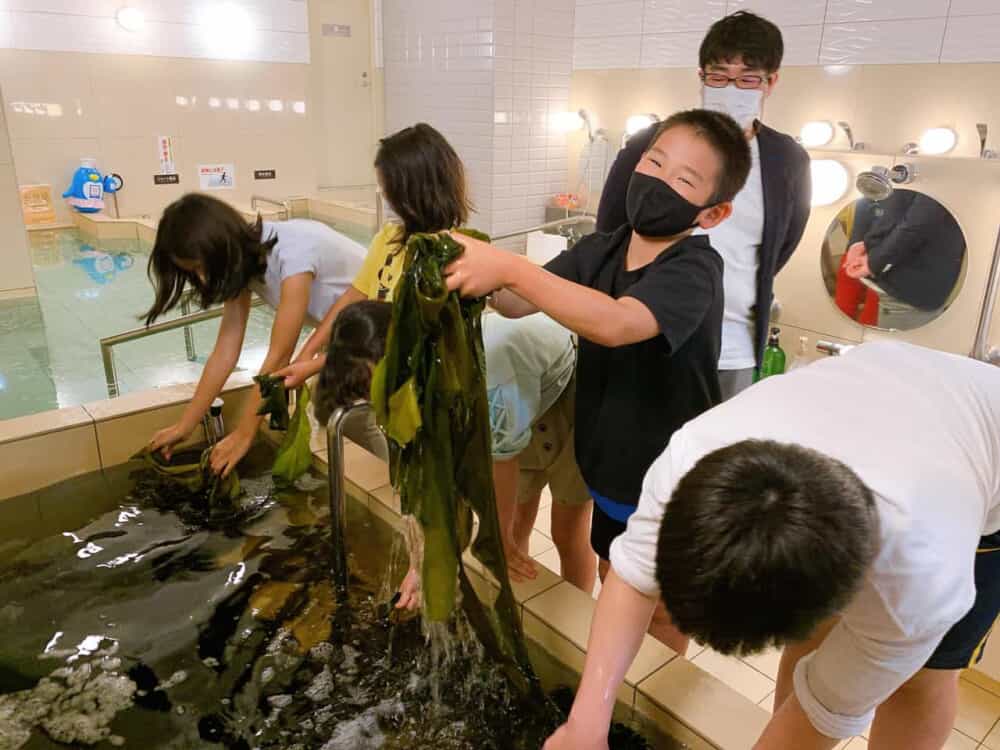
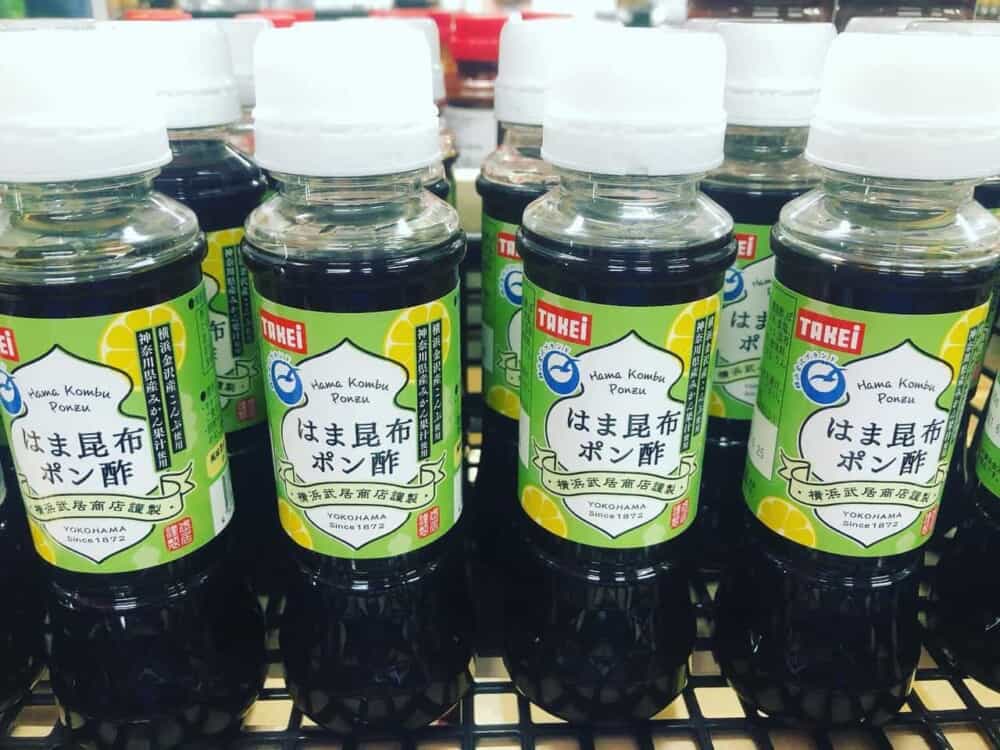
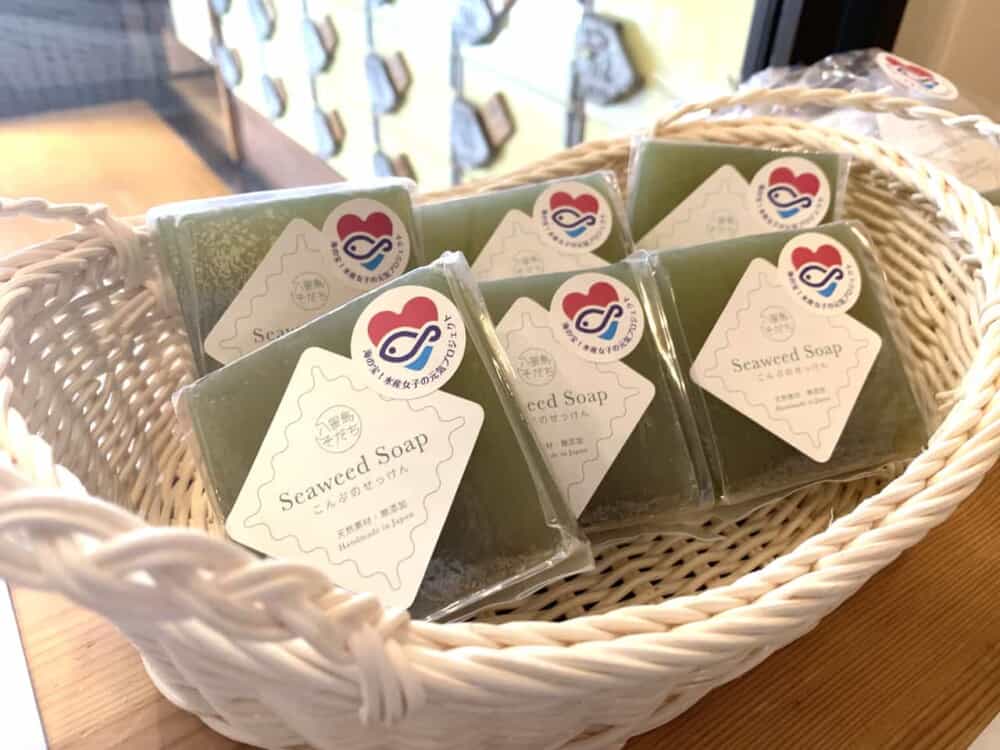
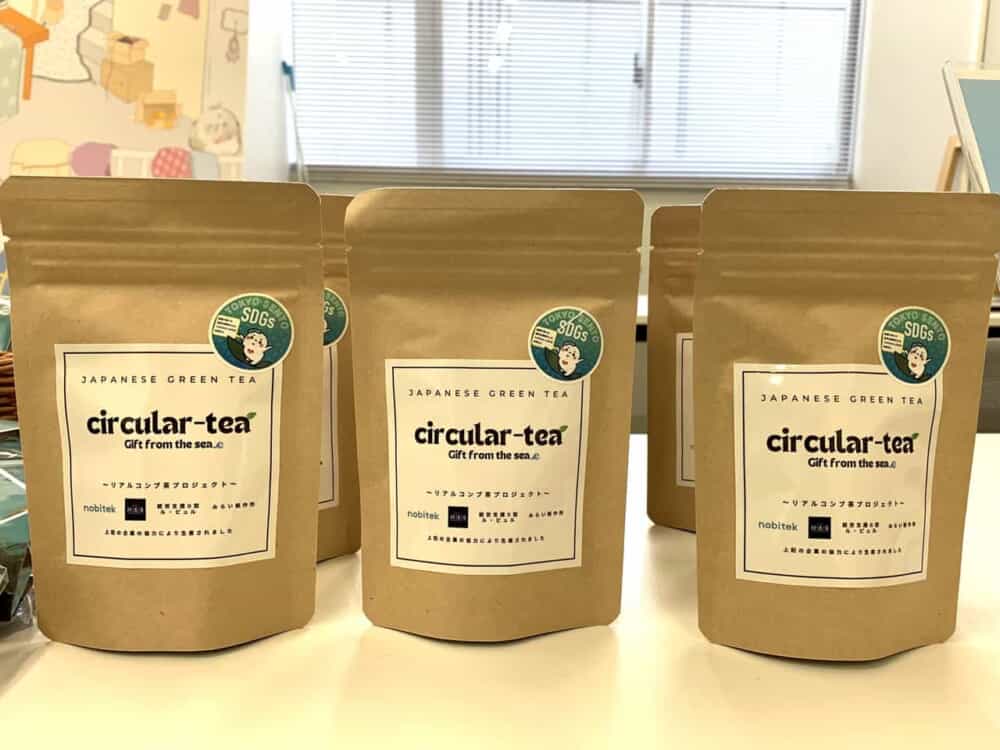
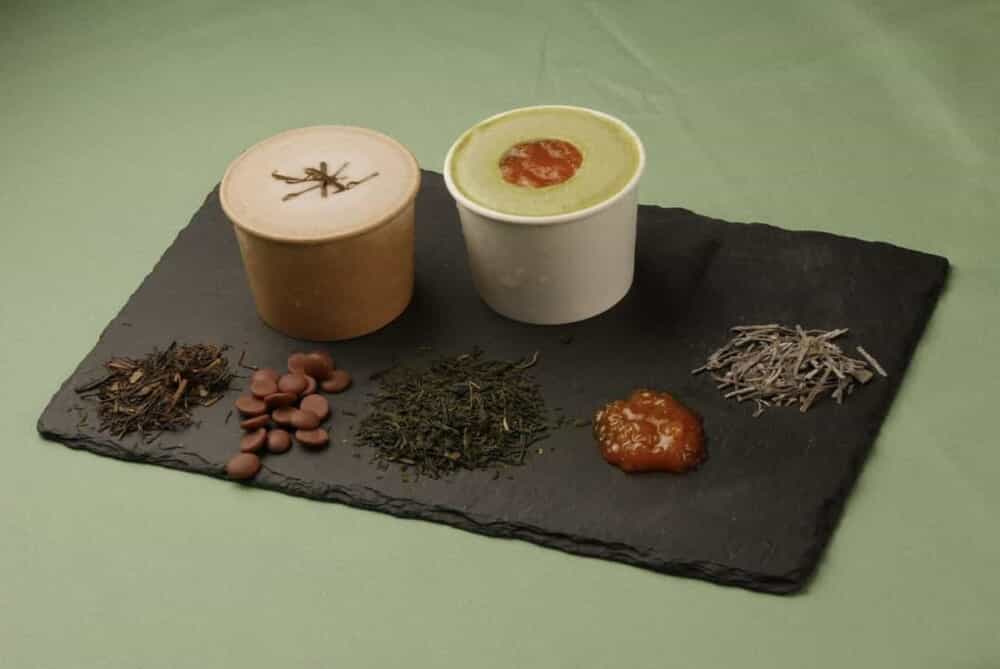
Kelp cultivated in Kanazawa Ward is branded as “Bunko’s Kelp,” known for being delicious even when eaten raw. Beyond selling fresh kelp, we have developed products such as cookies and soap. Together with long‑established Takei Shoten, we created “Hama Kelp Ponzu” under the theme of local production for local consumption. Other activities include kelp baths in cooperation with the Public Bath Association and participation in the “Yokohama Vegan Ramen Project” with local students and restaurants. Leveraging Yokohama’s population of about 3.8 million, these initiatives raise interest in kelp and marine conservation while stimulating the regional economy.
Project Overview
| Organization | Sachiumi Heroes |
| Category | Regenerate |
| Introduced | 2022 |
| Adress | #601, 3-28-6 , Tsuruyacho, Kanagawa-ku, Yokohama-shi Kanagawa |
| URL | https://sachiumi.com/ |
| Contact | Tel: +81 50-3704-3470 / email: support@sachiumi.com |