Upcycled Stationery Crafted from Discontinued Nautical Charts
Discontinued Nautical Chart Stationery is an upcycled product line created by X-Port Co., Ltd., a Yokohama‑based firm that plans and produces original goods. X-Port sought ways to spotlight Yokohama’s charms, and started the project in 1997 when they focused on the sea and learned about the Japan Coast Guard regularly retiring nautical charts.
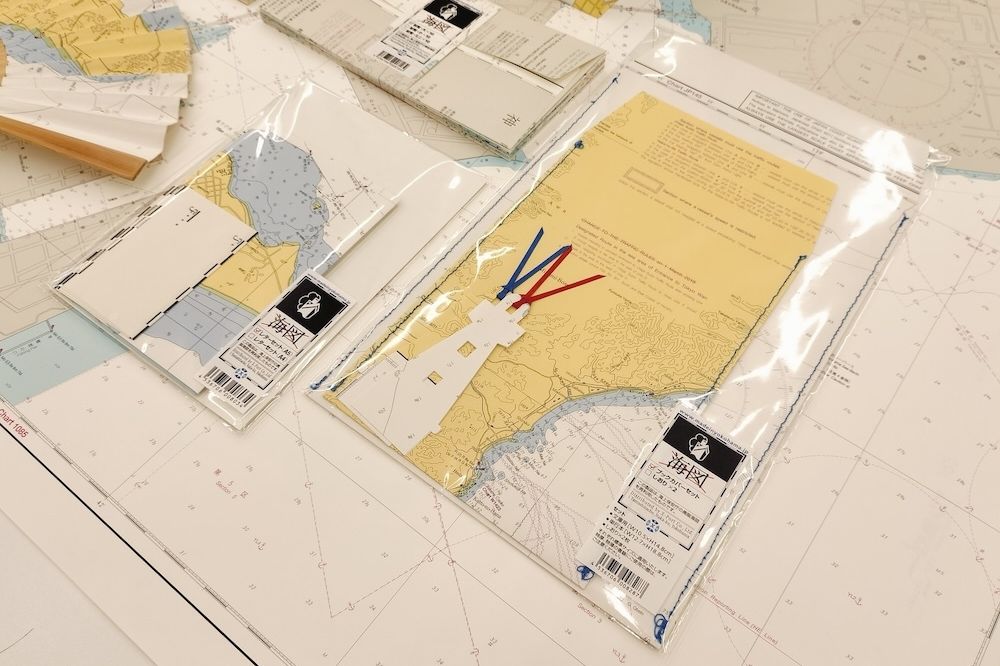
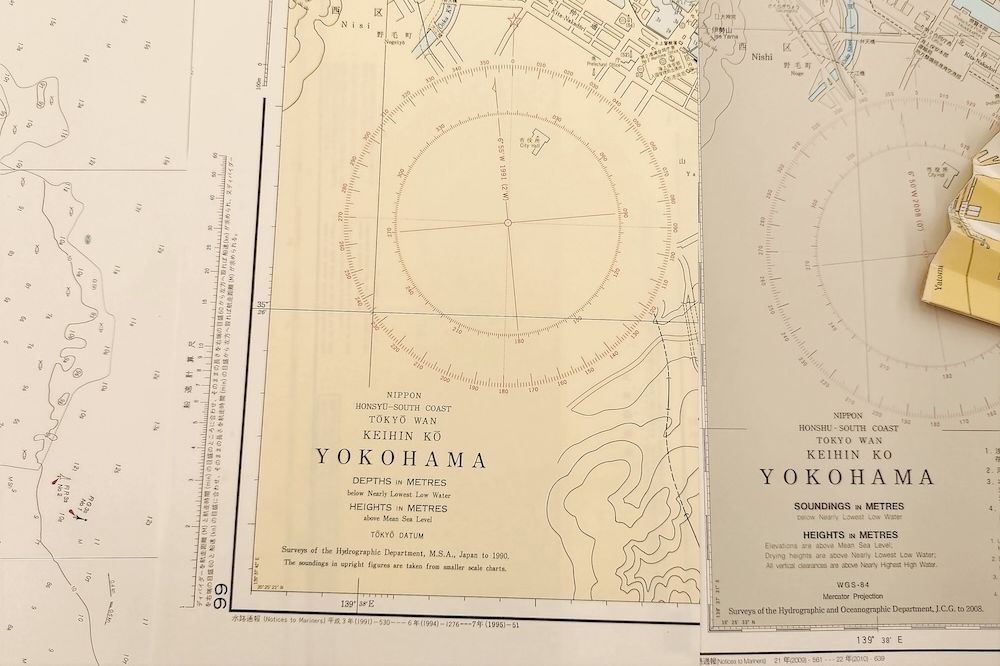
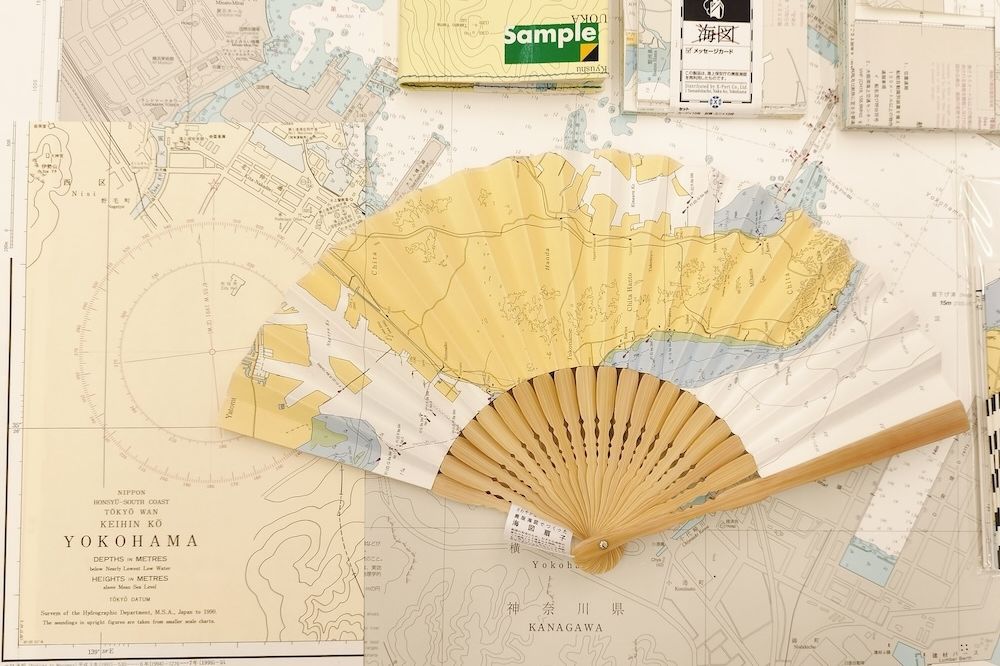
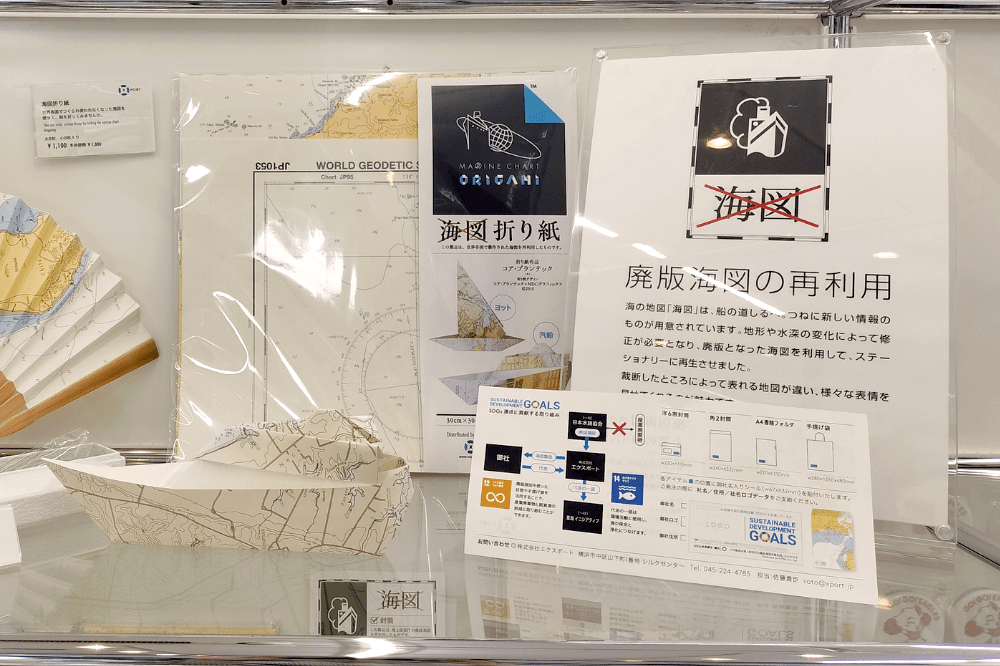
Nautical charts are maps used at sea and must show precise details for safe navigation; even the slightest change in topography triggers a revision. Depending on how often revisions are issued, roughly 10,000 charts become obsolete each year. X-Port obtains these discarded charts from the Japan Hydrographic Association and transforms them into envelopes, tote bags, business cards, letter sets, memo pads, origami paper, book covers, folding fans, and other stationery and sundries.
A unique feature is that the charts depict waters all around Japan, not just Yokohama. Each product highlights a different section, showing water depths, coastal contours, lighthouse positions, and tidal currents. This makes every item one‑of‑a‑kind. X-Port also fashions off‑cuts into lighthouse‑shaped bookmarks, ensuring virtually zero waste while keeping the nautical theme.
The project receives support from Yokohama City’s SDGs biz support program. A portion of sales funds environmental activities that protect and clean the ocean.
What Makes the Project Circular
1. Turning chart designs into one‑of‑a‑kind upcycled pieces
Only discarded charts are used. Because production volumes are limited, buyers can’t choose specific regions or landmarks, so even identical items look completely different. By leveraging design expertise gained from years of original‑goods development, X-Port creates distinctive products that evoke Yokohama’s maritime spirit and deliver added value through rarity.
2. Reducing industrial waste and paper consumption
Nautical charts are printed on water‑resistant specialty paper that must be treated as industrial waste when discarded. Switching everyday envelopes or shopping bags to these upcycled versions cuts paper consumption and indirectly reduces industrial waste. X-Port also offers custom items for companies pursuing SDGs goals such as business cards and tote bags, encouraging ongoing use while advancing corporate social‑environmental responsibility.
3. Using goods as a media to share context and challenges
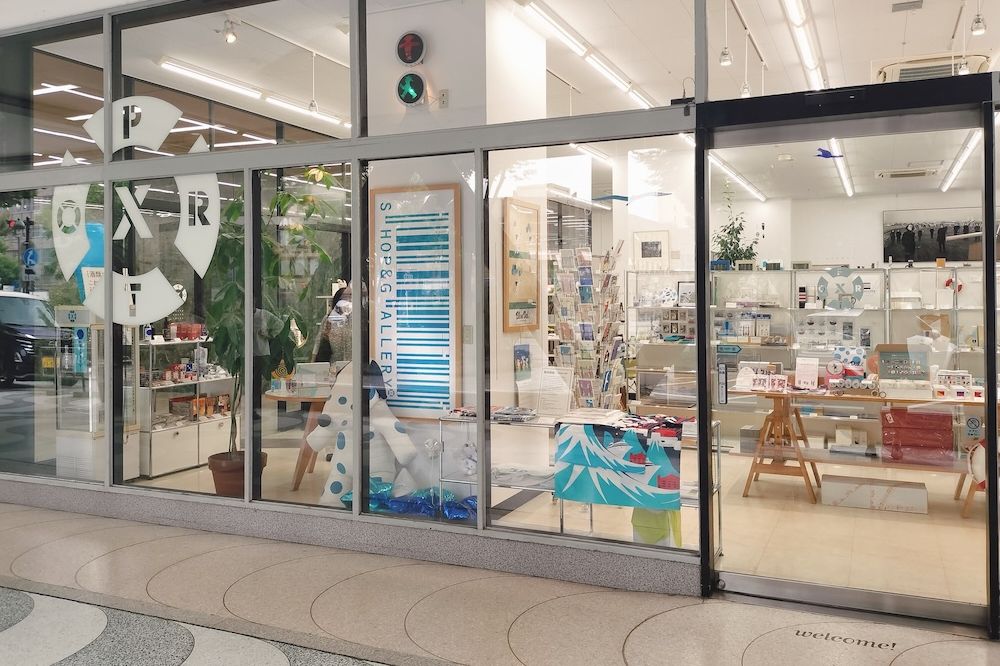
X-Port sees every product it develops as “communication goods” that spark enjoyable conversations. Sales are limited to the company’s Yokohama flagship store and selected partners able to explain each item’s backstory, turning the goods themselves into prompts for thinking about resources and the environment. By partnering with stakeholders tied to the sea and Yokohama, X-Port conveys the charts’ narrative alongside compelling design, embodying circular‑design principles.
Project Overview
| Organizer | X-Port Co., Ltd. |
| Category | Upcycling |
| Introduced | 1997 |
| Business Hours | Weekdays 11:00 am–5:00 pm (closed weekends & holidays) |
| Address | 1F Silk Center, 1 Yamashita‑chō, Naka‑ku, Yokohama, Kanagawa, Japan |
| URL | https://www.xport.jp/SDGs.html |
| Contact | Tel: +81 45-224-4785 |