*This article is a translated and edited version of a story originally published in January 2026 on “Green Hub in Asia,” a platform managed by the City of Yokohama’s International Affairs Bureau. It was produced by Harch Inc., the operator of Circular Yokohama, based on interviews with Yokohama City officials.
Located in the center of the Japanese archipelago facing the Pacific Ocean, Yokohama is a beautiful port city. Since the opening of its port in 1859, it has served as Japan’s gateway to the world, welcoming diverse cultures while developing its distinct character. Today, with a population of over 3.7 million, it is the country’s largest city, serving as a vital hub for its economy and culture.
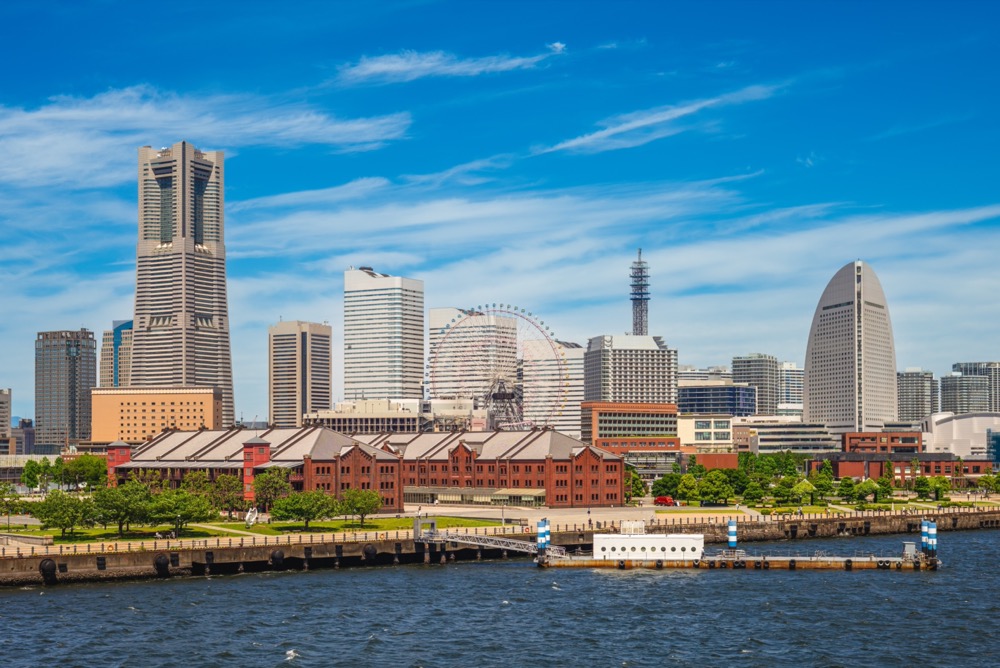
Alongside this rapid development, the city has faced many challenges such as increased waste and pollution. However, Yokohama has overcome these challenges each time through its “Civic Power”, the capacity of citizens to organise and shape their city.
An emblematic example is the “Yokohama G30 Plan” (G for gomi, Japanese for “waste”), a waste-reduction plan implemented from 2003 to 2010. At the time, the City of Yokohama’s waste-disposal capacity had reached its limit. With strong public participation in waste sorting, we reduced waste by more than 30% in four years, compared to the 2001 fiscal year, subsequently leading to the decommissioning of two municipal incineration plants.
Yokohama’s identity is rooted in civic collaboration, with the local government and citizens joining hands to help shape their city.
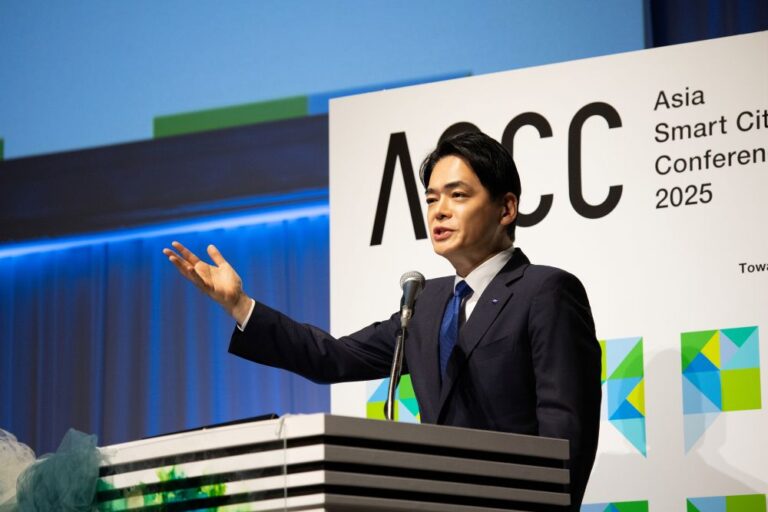
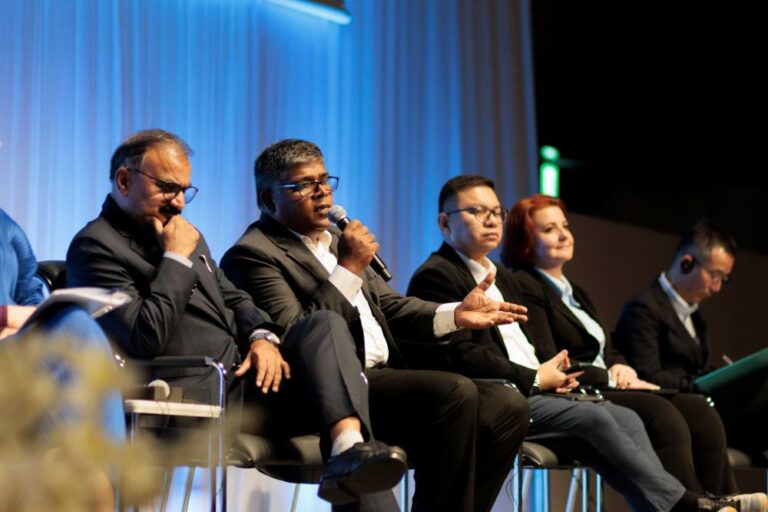
Now, leveraging that experience, the City of Yokohama is aiming for a full-scale transition to becoming a circular city. At the Asia Smart City Conference 2025 (ASCC 2025) held in Yokohama in November, we became a founding signatory of the Asian Circular Cities Declaration (ACCD), which calls for the transition to circular cities across the Asia-Pacific region. Yokohama is developing a new urban model while collaborating with other communities in Japan, as well as cities overseas.
This article looks at how the City of Yokohama is transitioning into a circular city alongside its residents. We will highlight “One hundred ways of sustainable living: STYLE100”, a project that embodies this spirit, revealing citizen-led activities that contribute to the environment and society. For this purpose, we spoke with city officials and the people leading those activities.
Who are the people behind these efforts, and what new initiatives and activities are emerging across Yokohama? Here, we will take a closer look at the essence of the city’s world-class “Yokohama Civic Power.”
Government as the Connector and Illuminator: Expanding Citizens’ Passion through “STYLE 100”
STYLE 100 introduces citizen-led activities that are good for the environment and advance decarbonization, biodiversity, and a circular economy. As of January 2026, we have highlighted numerous STYLES. By making residents’ actions visible, STYLE100 encourages others to see those actions and to think, “I want to try and do my part, too,” and helps people see how initiatives like these can contribute to protecting and improving the environment. Furthermore, it supports initiatives to grow by creating new connections and actions centered on STYLE100.
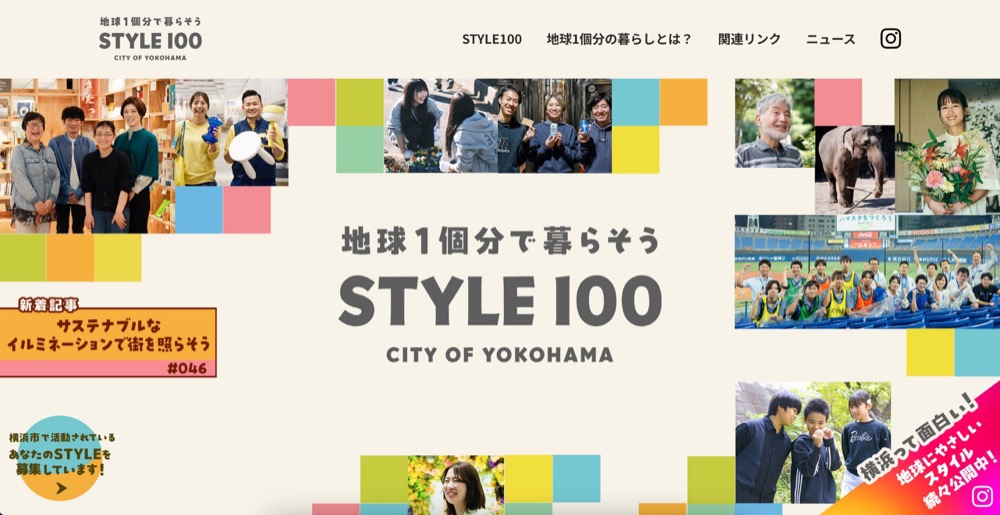
The STYLE 100 website, introducing various local initiatives through interviews
Spearheading this initiative are Takeru Iwashita and Fumi Konagai of the Zero Carbon and GREEN×EXPO Promotion Bureau, GREEN × EXPO Promotion Division, City of Yokohama.
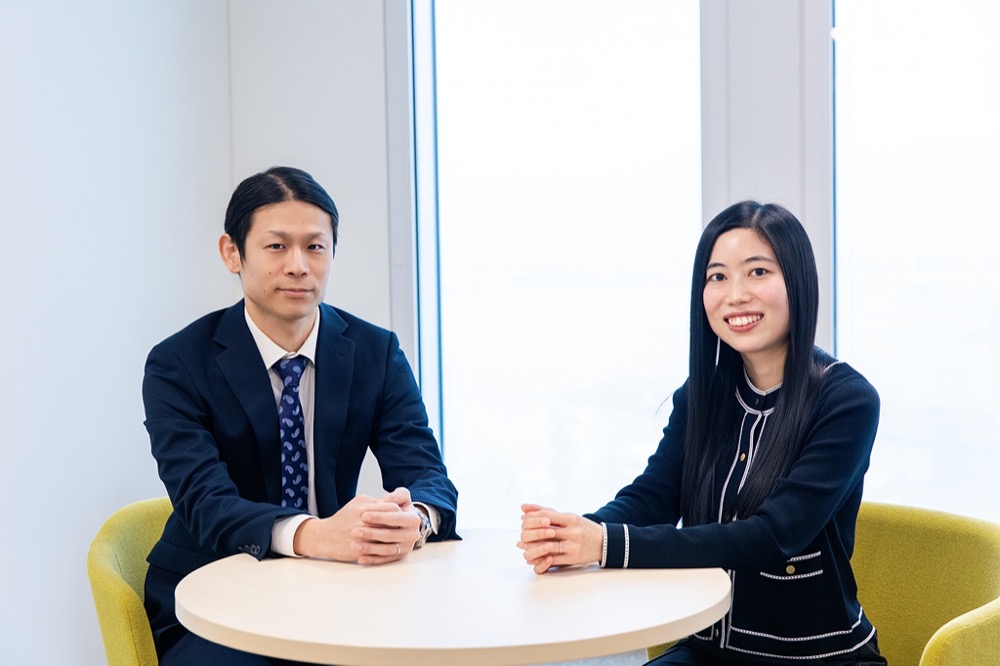
The initiative stems from the City’s Medium-Term Plan (2026–2029), which pledges a transition to a circular city. However, Iwashita recognized that such a transition could not be achieved through top-down directives alone, and how the city was already teeming with citizens and companies actively taking environmental action. STYLE100 was created out of a realization of the need to spotlight these efforts and help build wider momentum by leveraging Yokohama’s Civic Power.
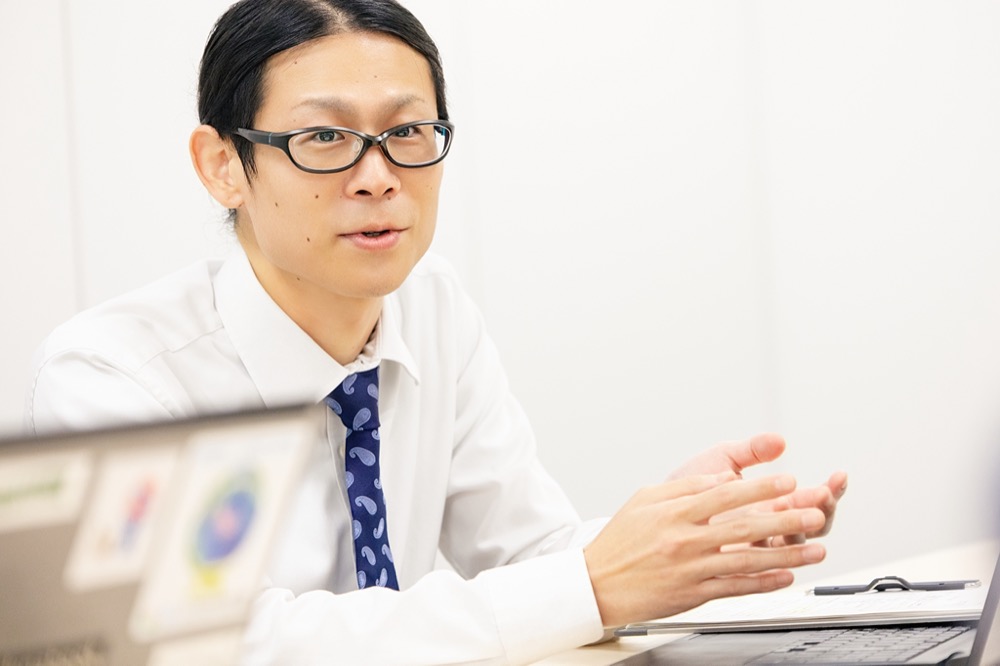
Konagai, for her part, emphasizes the need to shift public perception. She notes that many people view sustainable living as something exceptional that requires a great amount of effort to achieve. To challenge that idea, STYLE100 highlights approachable initiatives to portray sustainable living an attainable norm. Iwashita adds that the project is designed to give recognition to practitioners, helping them realize the social significance of their daily activities. By increasing this awareness, the team hopes to foster a culture in which an environmentally responsible way of life becomes standard.
The project’s name reflects this philosophy. “STYLE” suggests lifestyle choices, while the number “100” represents the variety of these “styles.” Konagai explains that the goal is not to define a single “Yokohama way,” but how there are many ways to act sustainably. Their goal is to introduce 100 distinct initiatives, and show that this diversity defines Yokohama.

Unconventional “Yokohama-ness”: from Water Source Conservation to Trash “Fishing”
Konagai explains that the focus on initiatives close to daily life is to inspire others to think, “starting tomorrow, I want to try and too my part, too.” The team curates initiatives that are relatable and embody a distinct “Yokohama-ness.” While the city is famous for its port, Konagai points out that the city also possesses rich satoyama landscapes. Satoyama is a traditional style of living where the borders between human settlement and nature are balanced in a mutually sustainable way. STYLE100 seeks to uncover these diverse facets of living.
Iwashita notes that while they initially searched for initiatives themselves, they now increasingly feature those submitted via the website or recommended by previous interviewees.
He recalls being moved by volunteers in Doshi Village, Yamanashi Prefecture, who visit every month to tend the forest that serves as Yokohama’s water source. He was deeply impressed by their enthusiasm to safeguard the water they rely on for future generations.
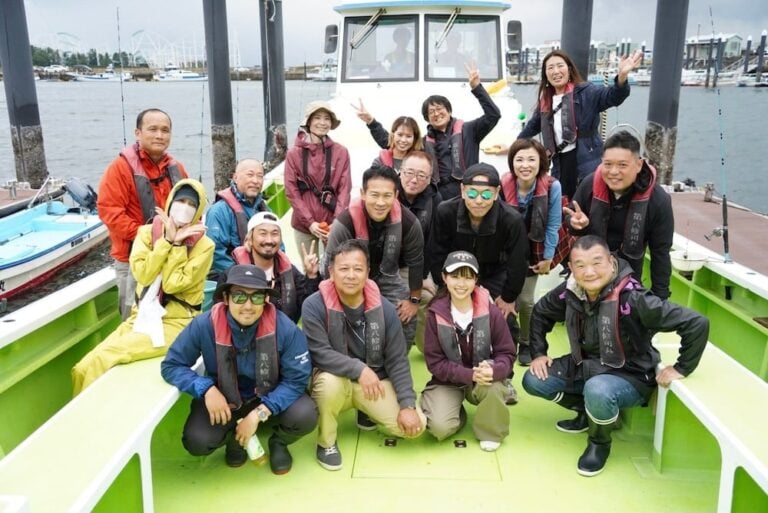
Konagai also highlights the fun aspects of “Magnet Fishing” in urban waterways, where participants use powerful magnets to clean riverbeds. At the time of the interview, they managed to fish up five bicycles. It was at this time that she witnessed the moment when the participants’ mindset toward the activity changed from “something we have to do” to “something fun.”
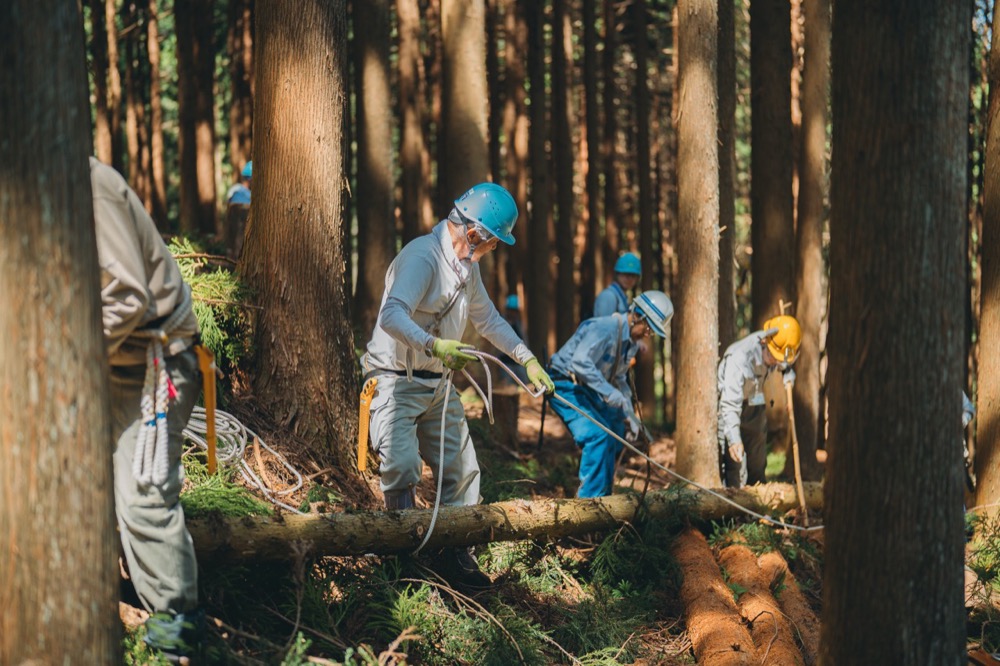
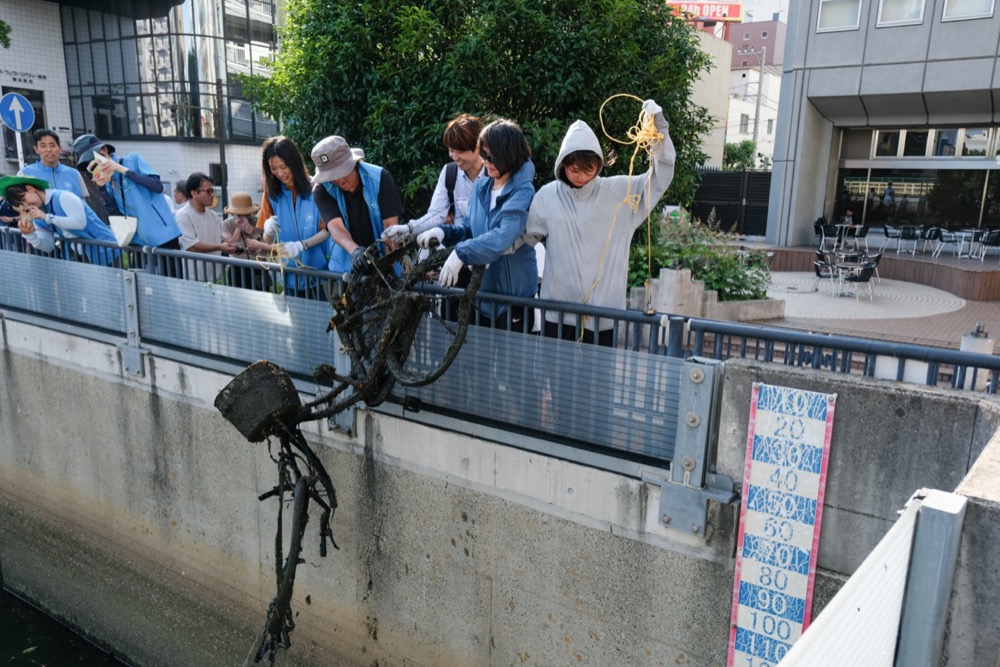
This diversity in methodology is strengthened by the intermingling of people. Konagai notes that new “STYLES” are born when the perspectives of international residents harmonize with long-term locals. Iwashita adds that major companies and regional banks also play a key role, collaborating with citizens on environmental education and local projects.
Looking back on the project, Konagai feels that Yokohama’s Civic Power is rooted in a genuine attachment to the city. Its residents activities are born from the simple wish to improve and protect the city. Iwashita agrees, saying the true charm of Yokohama lies in its citizens’ ability to build networks and care for both the urban and natural environment.
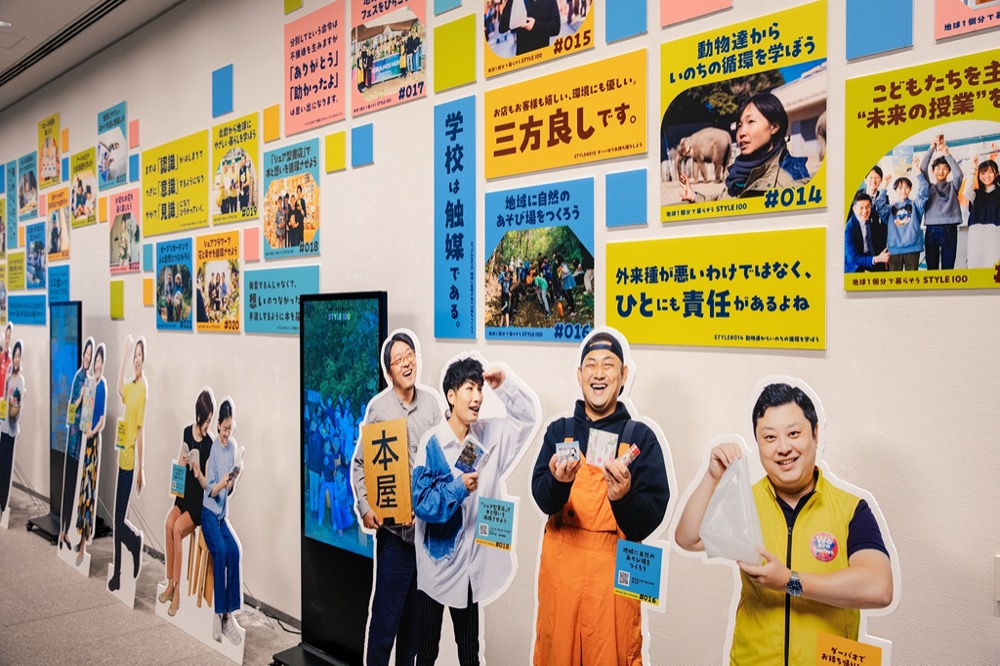
Colors of Yokohama’s “Civic Power”: On the Ground in Culture, Nature, and Education
Yokohama’s civic energy starts with one simple sentiment:, “I love Yokohama,” and the willingness of residents to act on that sentiment. By bringing together efforts across the city under STYLE100, we hope to share those practices with the world. A clearer picture is now emerging of a Yokohama-style circular city built on Civic Power.
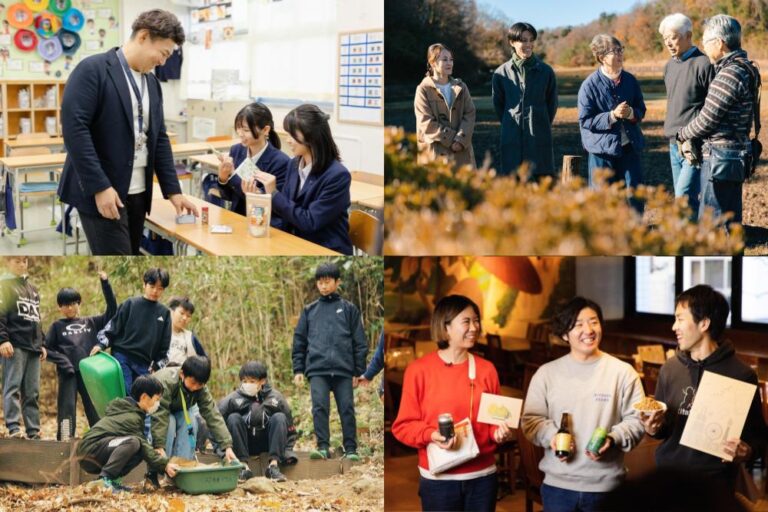
So who are the people behind these efforts, and what new projects are taking shape in Yokohama? We visit the sites of on-the-ground sites activities featured in STYLE100, looking at them through three perspectives of culture, nature, and education.
Select photography: Chikako Togo
[Related post]
How Yokohama Empowers Civic Engagement[Yokohama’s Circular Journey, Vol.1]
From Yokohama to Asia: Sharing Pathways for Circular Cities[ Yokohama’s Circular Journey, Vol.2]
Yokohama’s Circular Journey: How “Civic Power” is Building a Sustainable Future [Yokohama’s Circular Journey, Vol.4]