![Yokohama’s Circular Journey: How “Civic Power” is Building a Sustainable Future [Yokohama’s Circular Journey, Vol.4]](https://circular.yokohama/wp-content/uploads/2027/03/eyecatch.jpg)
Yokohama’s Circular Journey: How “Civic Power” is Building a Sustainable Future [Yokohama’s Circular Journey, Vol.4]
- On 2026/3/30
*This article is a translated and edited version of a story originally published in January 2026 on “Green Hub in Asia,” a platform managed by the City of Yokohama’s International Affairs Bureau. It was produced by Harch Inc., the operator of Circular Yokohama, based on interviews with Yokohama City officials.
In Vol.3, we explored the vision and passion behind the launch of “One Hundred Ways of Sustainable Living: STYLE100.” In Vol.4, we turn to the citizen initiatives featured in the project, tracing how public–private collaboration is taking shape in Yokohama.
Beyond the Cheers: A Story of Circulation Beginning in Japan’s Craft Beer Capital
From gaslight lamps, to jazz, even to ice-cream—Yokohama, home to Japan’s largest port and long a gateway to foreign culture, has always absorbed ideas from abroad, fused them with Japanese culture, and shaped everyday life across Japan. Perhaps the most famous of these is Yokohama’s rich beer tradition. In the Minato Mirai area and Kannai area(Yokohama’s leading waterfront district supporting innovation and sustainable city initiatives) in particular, breweries have clustered over time and have long been enjoyed by beer lovers.
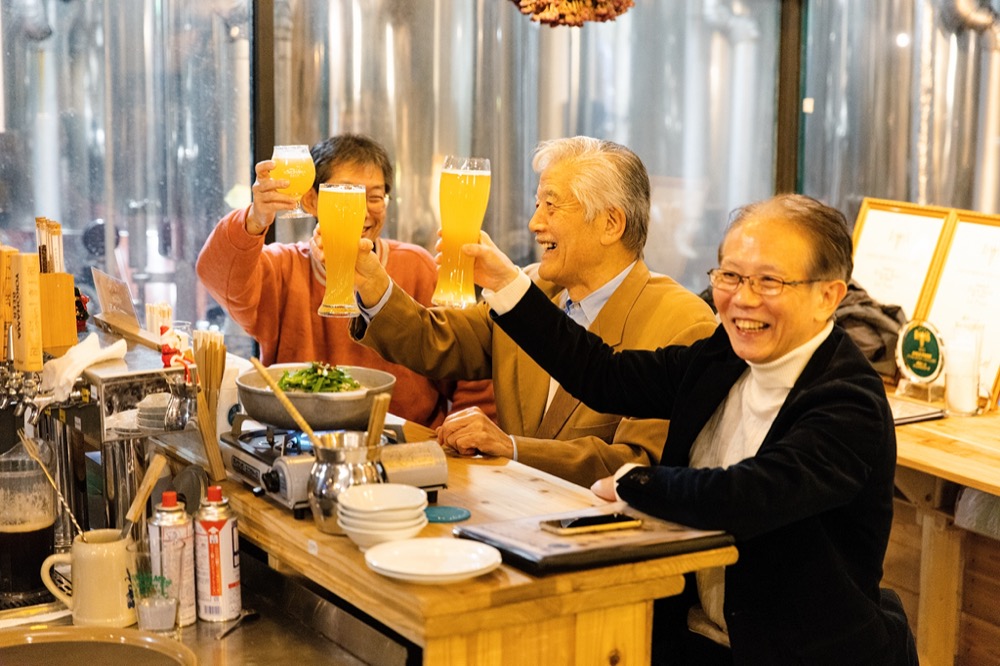
In Yokohama, a story of circulation is taking shape around beer, one of the city’s defining identities. At Yokohama Beer Co. Ltd.(Yokohama Beer), a well-known local brewery founded 26 years ago, they are weaving circulation into their practices while using local ingredients, such as beer brewed with culled mandarin oranges from farmers, as well as beer made using rice that would have become food loss from KIYOKEN, a long-established maker of Yokohama’s famous Shumai Bento meal.
The brewery also works with Yokohama Kankyo Hozen Corp., a local firm that collects and processes waste, to turn spent grain from brewing into compost. Farmers in and around Yokohama will then use the compost, helping to close the loop.
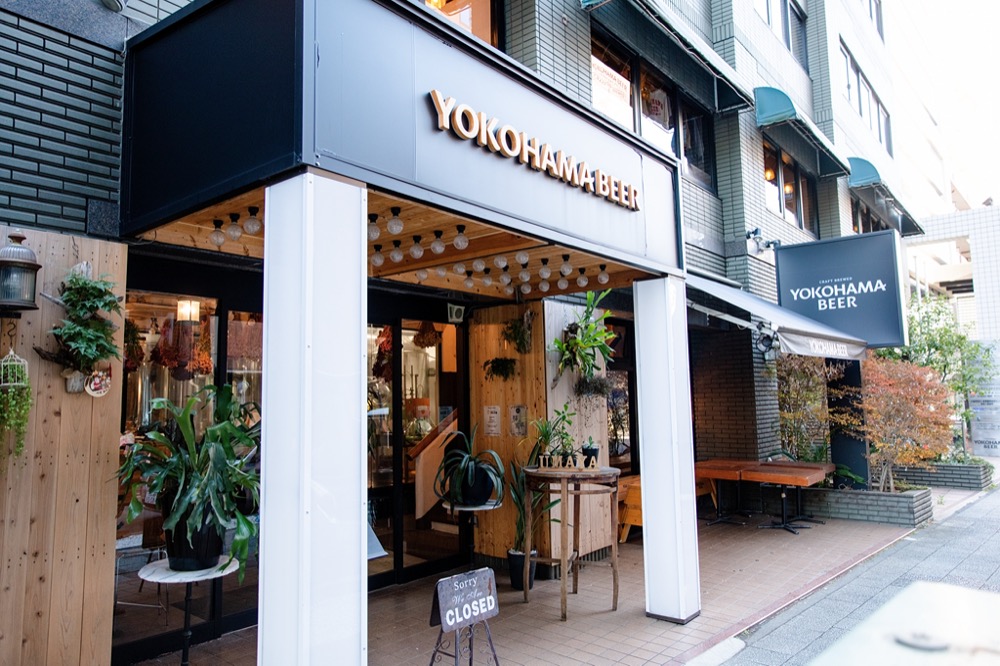
Exterior of Yokohama Beer main store
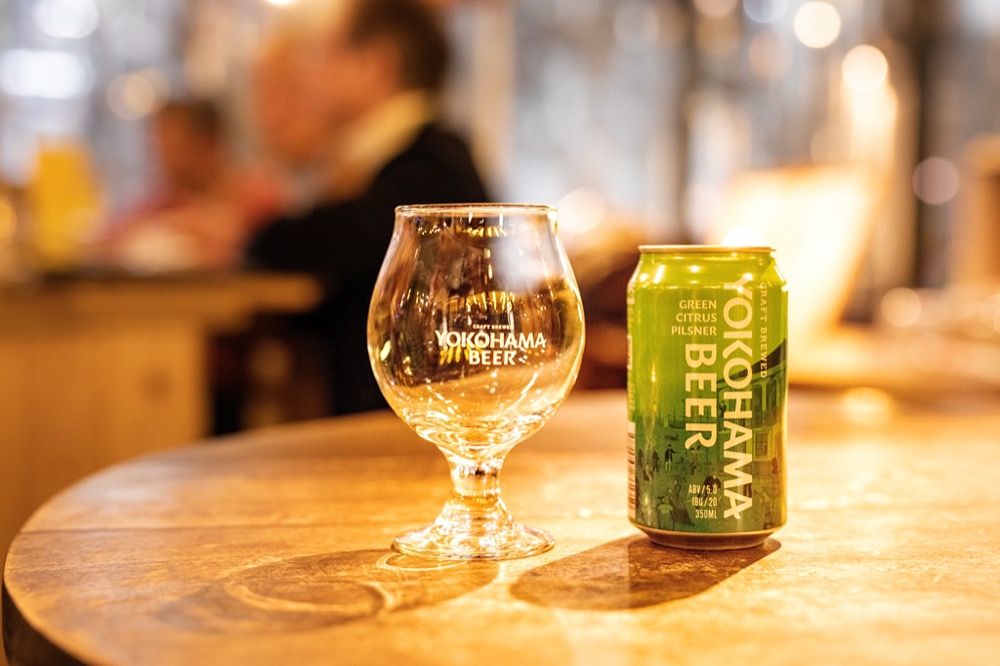
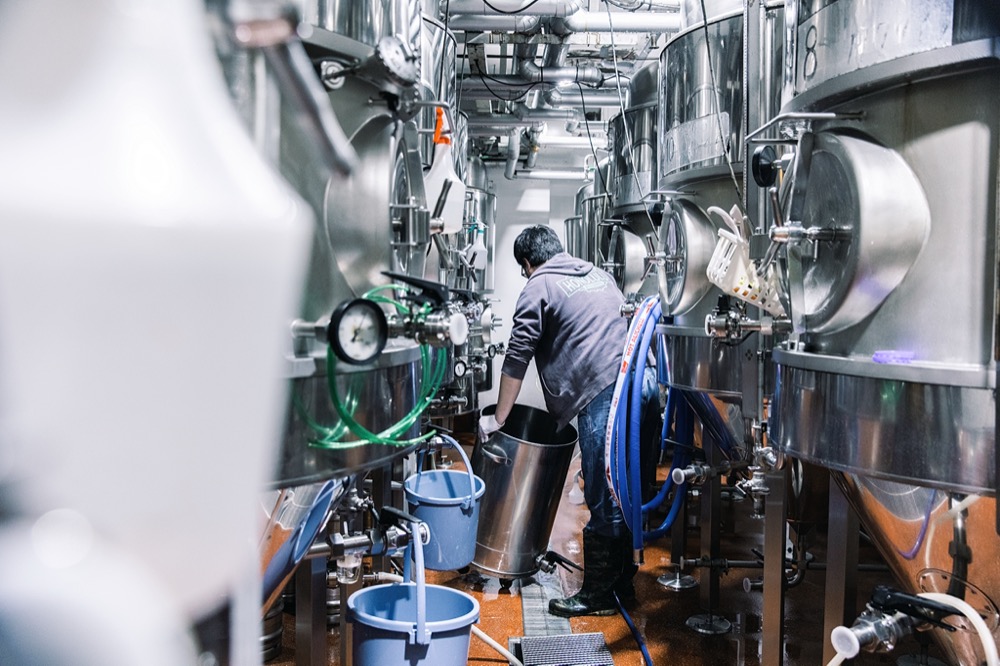
Yokohama Beer brewery
However, composting alone could not keep up with the volume of malt lees produced. That is where kitafuku.inc. comes in, upcycling the malt lees into paper products.
The company’s CRAFT BEER PAPER, which has a warm, amber color, is used to create a variety of items such as paper bags, folders, and business cards. Converting malt lees into paper products opens up more applications for the material, and gives it greater value by making it visible and useful. Several local breweries in Yokohama are now collaborating to create this circular approach, with some utilizing this CRAFT BEER PAPER to create their menus.
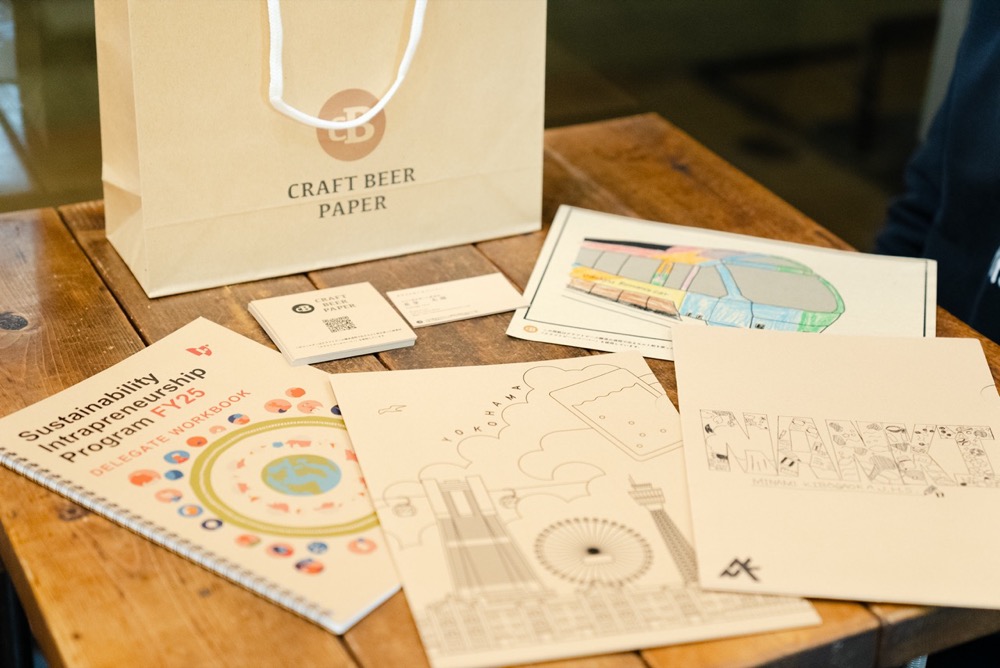
Samples of CRAFT BEER PAPER / Source: City of Yokohama “One hundred ways of sustainable living: STYLE100”
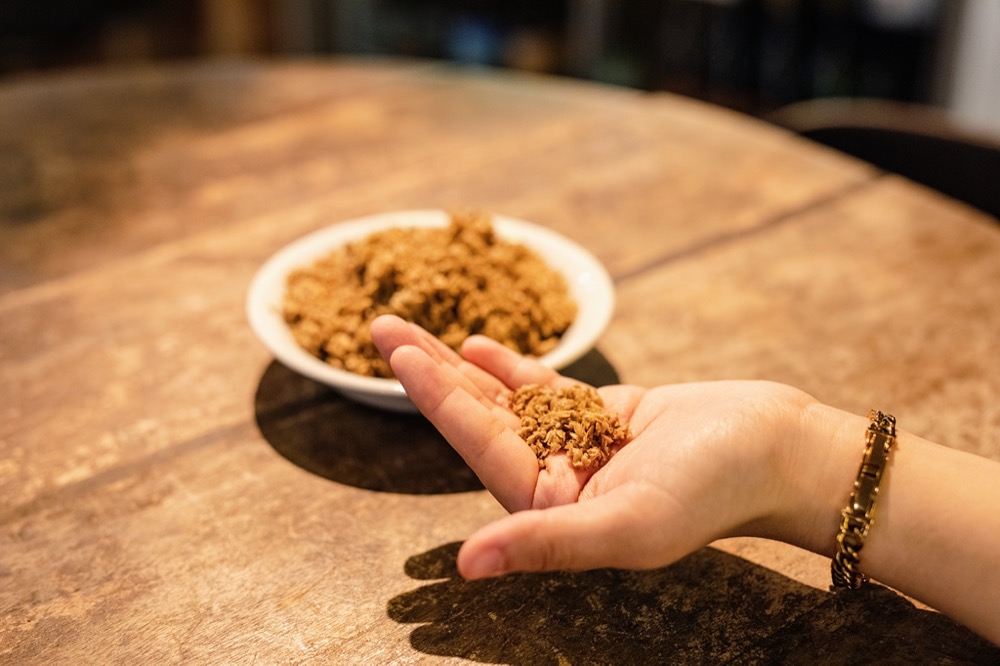
Malt lees collected at Yokohama Beer
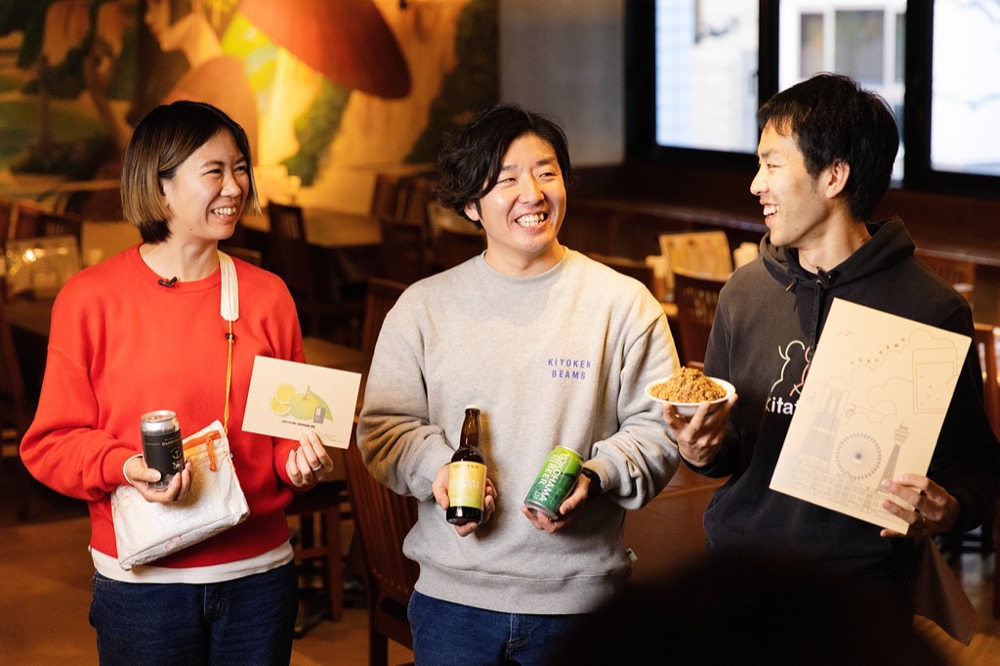
From left: Aoi Kudo and Hayato Yokouchi, Co-CEO of YOKOHAMA FUN COMPANY inc., and Shoki Matsuzaka, CEO of kitafuku, inc.
Hayato Yokouchi and Aoi Kudo, Co-CEO of YOKOHAMA FUN COMPANY inc., who formerly worked in public relations at Yokohama Beer and now runs businesses to enliven the beer culture in the city, and Shoki Matsuzaka, CEO of kitafuku, say that the circular perspective is essential in further growing Yokohama’s beer culture in the future.
Kudo believes that to build a stronger craft beer culture, values that go beyond “drink and be done” are vital for society, which is why she plans to further deepen circular efforts in cooperation with breweries. Yokouchi adds that no initiative will last unless it is enjoyable. He describes beer initiatives as truly fun by creating a process that can be celebrated together over a toast when successful. He expresses his desire to continue creating circulation while having fun.
Matsuzaka envisions that as Yokohama grows as a craft beer city, it should be a place where people can enjoy the product until the very end. He adds that as a port city that has long welcomed cultures from abroad, Yokohama is in a unique position to share new ideas with the world. He aims to spread an approach that turns “Mottainai,” the Japanese feeling of regret over waste, into added value starting from Yokohama.
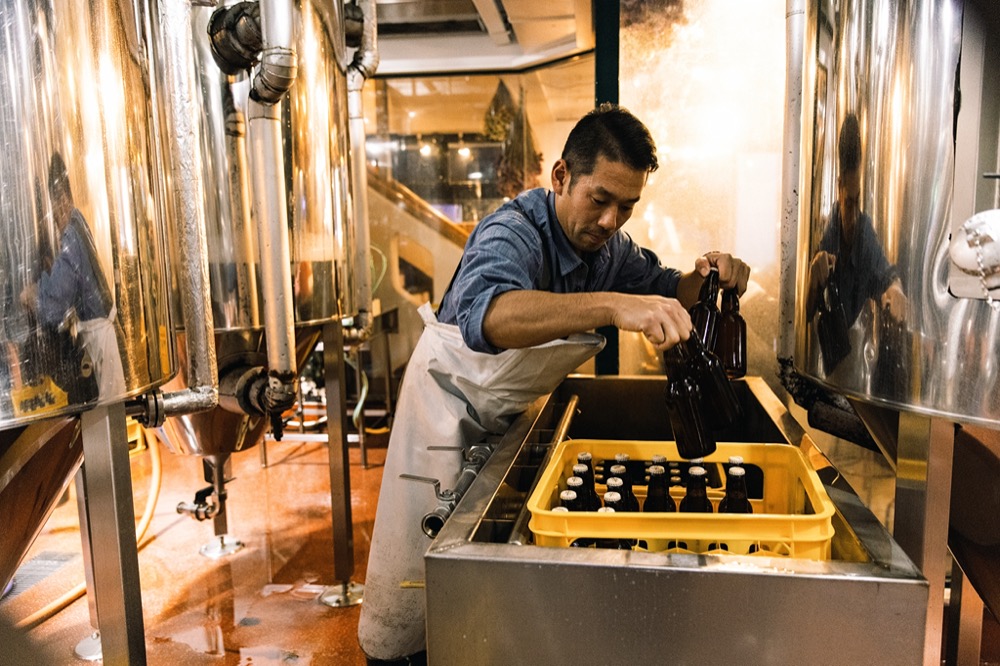
Yokohama Beer brewery
▶️Read the STYLE100 article here: Creating a Food Loop with Craft Beer
A Miraculous Satoyama Landscape Remaining in the City: Circular Living and True Richness Revealed by Jike
While Yokohama’s futuristic urban areas often draw the spotlight, the areas near the city limits still preserve traces of Japan’s older rural landscape. One example is Jike, an area in Aoba Ward.
Jike is shaped by spring‑fed, valley-like terrain with rice fields on the floor and wooded slopes. In Japan, this kind of landscape is referred to as Satoyama. Satoyama is not untouched wilderness, but a human-shaped ecosystem where people and nature coexist, maintained by people tending forests and cultivating fields. This steady human involvement has made Satoyama irreplaceable homes for many animals and plants.
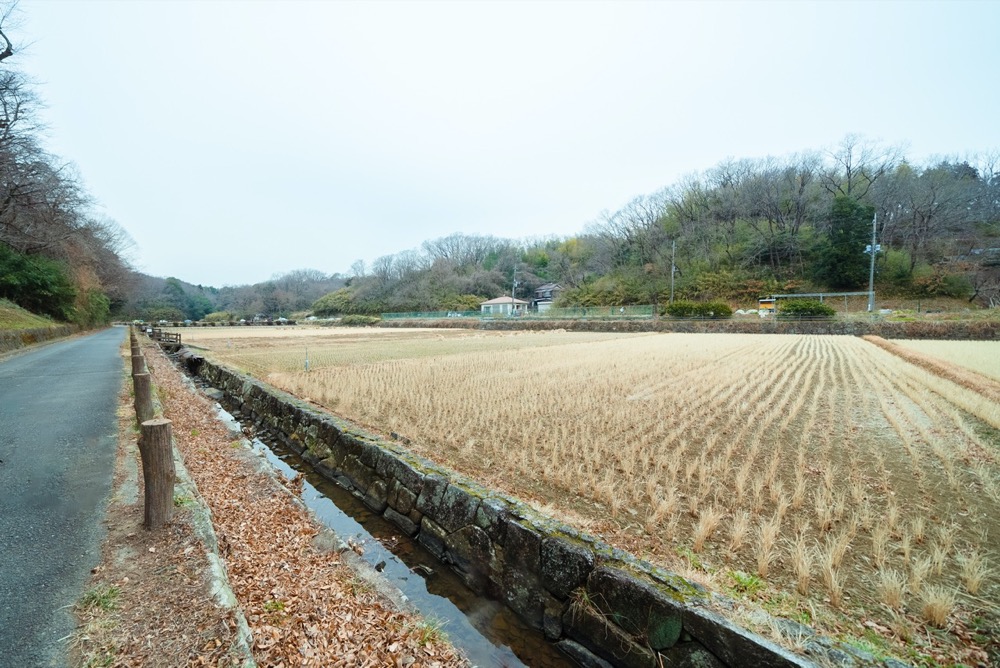
Winter scenery in Jike. / Source: City of Yokohama “One hundred ways of sustainable living: STYLE100”
However, today, these landscapes are more difficult to maintain as caretakers age and development pressures grow. This makes Jike, protected by the sweat of local farmers, a precious sanctuary remaining within the city. Citizens who love Satoyama gather here for conservation work, aiming to pass the landscape on to future generations.
Among those drawn to Jike is Sayuri Yamamoto. She often visited the area for walks while raising her children and was captivated by the area. Today, she is a member of the “Jike Mirai Project(mirai means “future”).
Launched in fiscal year 2024 under the theme “Life with Agriculture,” the project aims to create new value in the area by utilizing regional resources for local consumption and offering experiences in nature and rural culture.
The area is also sustained by locals like Masao Kaneko. Born and raised in Jike, Kaneko is the former Neighborhood Association(chonaikai) President and current Chairman of the Jike Hometown Forest Conservation Society. He has spent years caring for and restoring the Satoyama. The landscape also draws people who come to learn, like Ryuichi Sakamoto, who travels from neighboring Machida City to attend the Satoyama Regeneration Practical Course led by a leading expert in environmental civil engineering. Similarly, Makoto Inagaki, Vice Chairman of the Jike Wild Bird Society, has visited Jike for nearly 30 years as an observer, and now working to convey the importance of biodiversity to citizens through birdwatching sessions.
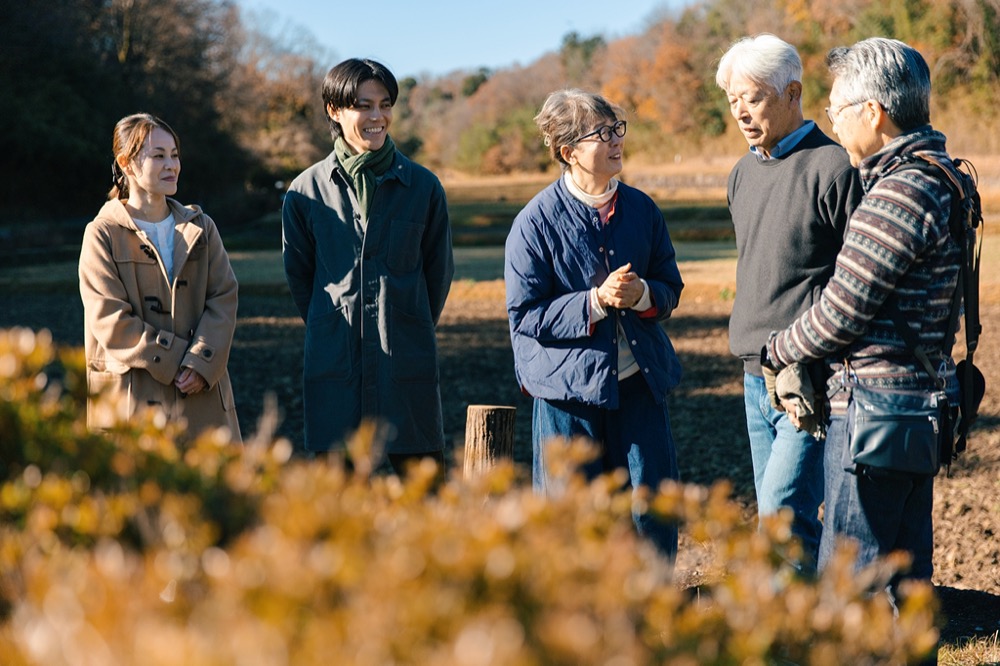
From left: Sayuri Yamamoto, Ryuichi Sakamoto, Hiromi Sakaue, Masao Kaneko and Makoto Inagaki
Hiromi Sakaue operates JIKE STUDIO, a gallery with a cafe that serves meals and sweets made from seasonal vegetables and ingredients. In 2024, she launched a crowdfunding campaign to protect the persimmon orchard in front of the shop after a plan emerged to turn the land into a parking lot. The campaign raised 17 million yen (about $110,000) from people who care about Jike, allowing her to purchase the farmland. Since then, she has become a key figure in local efforts to protect Jike, including regenerating abandoned land as a full-time farmer.
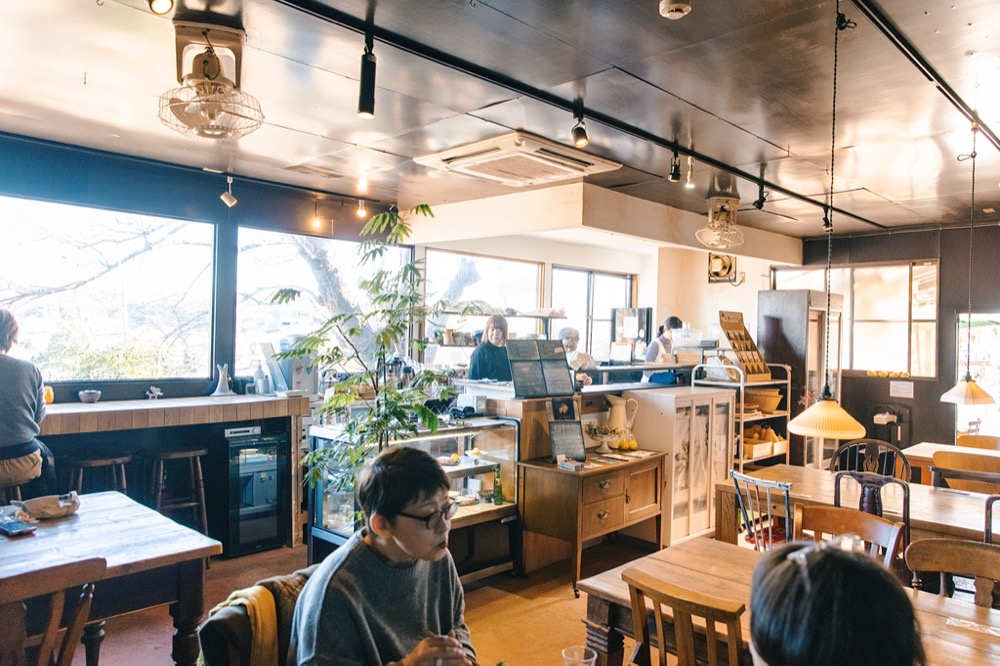
Interior of JIKE STUDIO
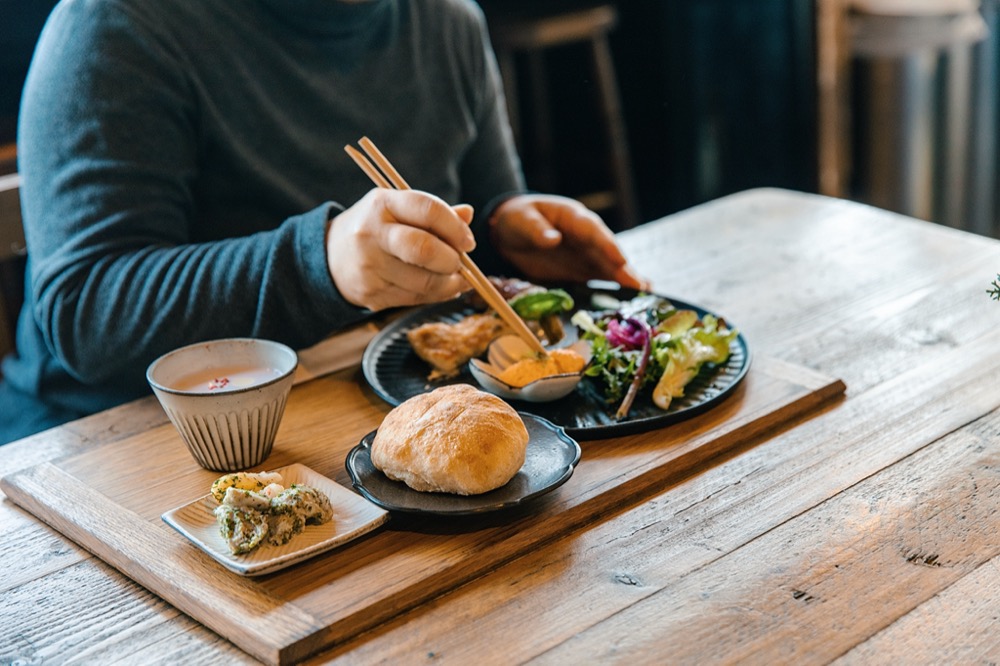
Lunch at JIKE STUDIO, famous for its locally grown vegetables and carefully baked natural yeast bread
The people deeply involved with Jike conveyed their love for Jike’s nature and its beauty.
“When I think about what real richness means, I feel the answer is here,” Sakaue reflects. She describes the Satoyama as a place that heals the heart, accepts negative emotions and returns people to a state of calm. She points to the ecosystem’s vitality, from birdsong to seasonal flowers, and stresses the essential role farmers play: “Without farmers, this landscape cannot be preserved. All of these are tremendous values, charms, and treasures.”
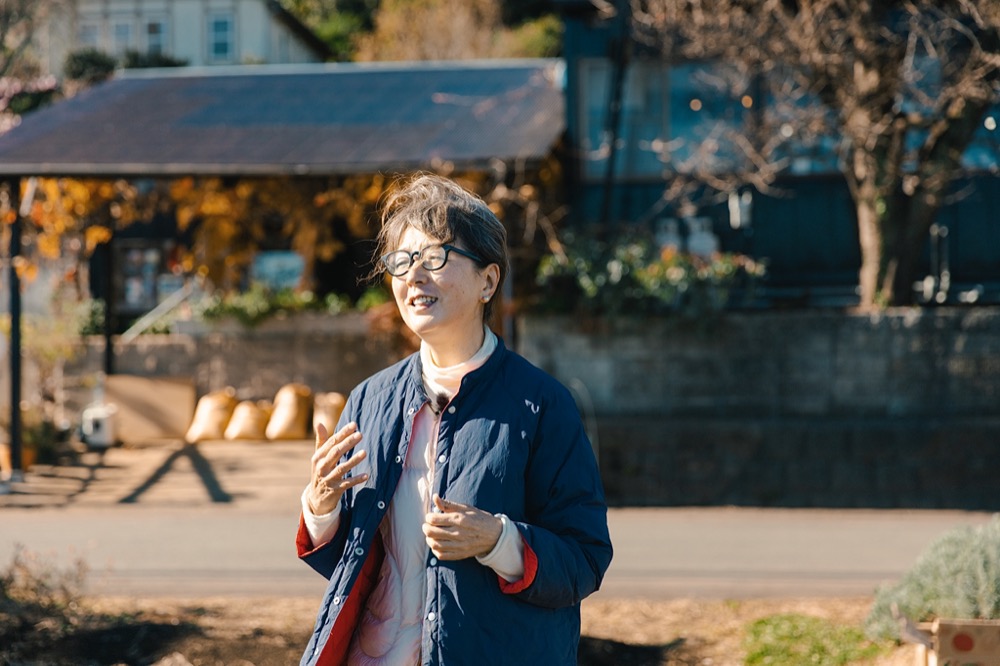
Hiromi Sakaue
Sakaue also describes Jike as a place where the idea of circulation becomes tangible. With guidance from Hiroomi Takada, an environmental civil engineering expert who draws on traditional knowledge to improve conditions from the soil up, she began restoring the hillside behind JIKE STUDIO. The area had lost its ability to hold water after extensive logging.
While Japan’s industrial structure changed rapidly with post-war economic growth, the country moved away from a lifestyle that coexisted with nature within a cycle of circulation. Sakaue says she experienced this circulation first-hand while working the land in Takada’s course.
“What we needed when regenerating the mountain was smoked charcoal made from rice husks, bamboo charcoal, fallen leaves, and straw,” she explains. “If you farm, these are things you can gather naturally.” When these materials were returned to the mountain, the ecosystem responded. “The air in the woods behind the studio changed. That’s when I realized that nature is designed to circulate everything.”
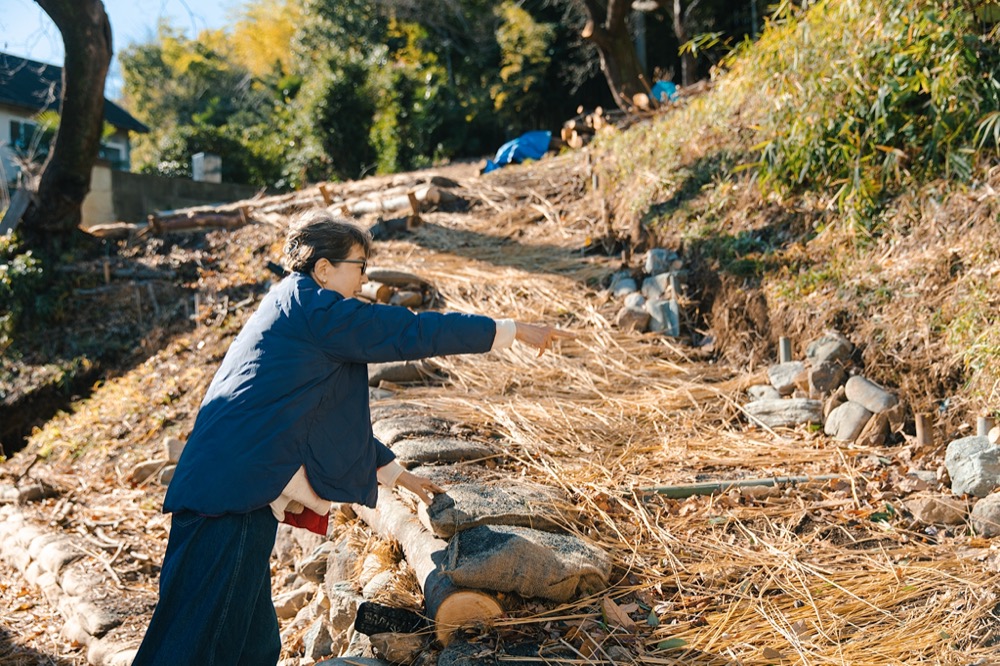
The hillside behind JIKE STUDIO where the regeneration workshop took place
This love for Jike leads to a simple wish to protect the place and pass it on to the future.
Kaneko states that while they do not want to turn Jike into a tourist destination, they want more people to visit, especially children, and experience nature first-hand, in the hope that those experiences will help the next generation value and protect the landscape.
Sakamoto adds that early exposure to nature is vital. He believes that when children spend time outdoors, they are more likely to grow up with an instinctive sense that littering or damaging the environment is wrong.
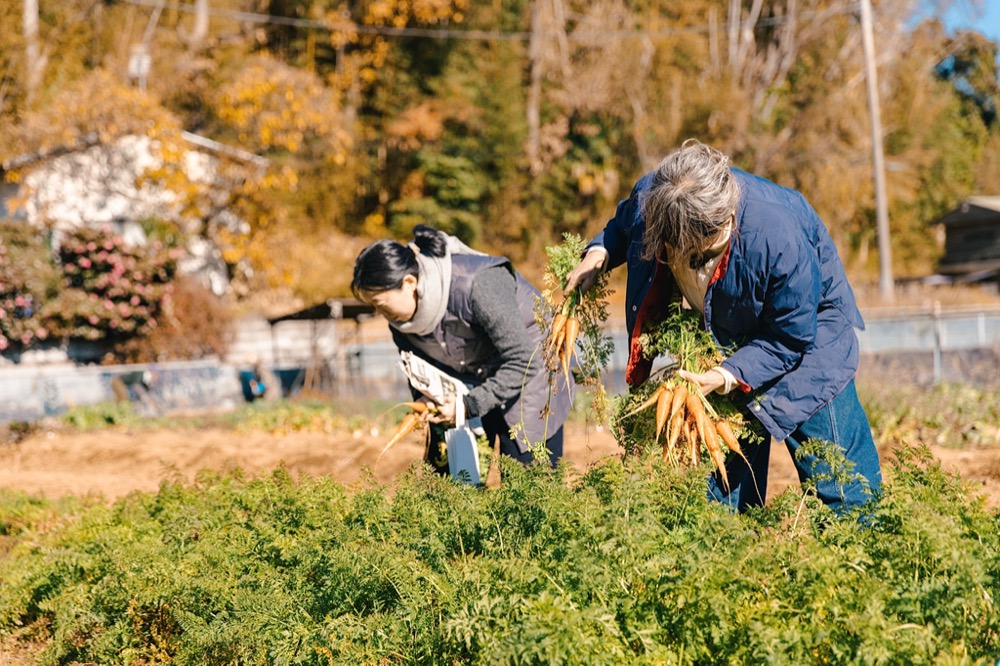
▶️Read the STYLE100 article here: Carrying “Satoyama” into the Future
Turning Discarding into Creating: Nurturing Future Generations’ Strength to Thrive through Circular Education
Education for the next generation is essential to Yokohama’s shift toward a circular city. At the city-run Segasaki Elementary School in Kanazawa Ward, the city has run a hands-on learning programme since 2018 that combines environmental education with product development, helping children build practical skills and confidence.
One example is Kanazawa Hachimi, a seasoning made using local ingredients. Students began by growing raw materials in the field behind the school. Furthermore, during the COVID-19 pandemic, they also developed “Kurofune Soap” incorporating regional materials and unused resources to reinforce the importance of handwashing.
In 2025, responding to Japan’s nationwide rice shortage, they created “THE Inaniwa Udotto” a risotto-style dish repurposing discarded udon noodles as an alternative staple. Elementary school students handled the process from start to finish, from presenting the idea at local events and companies to selling the product.
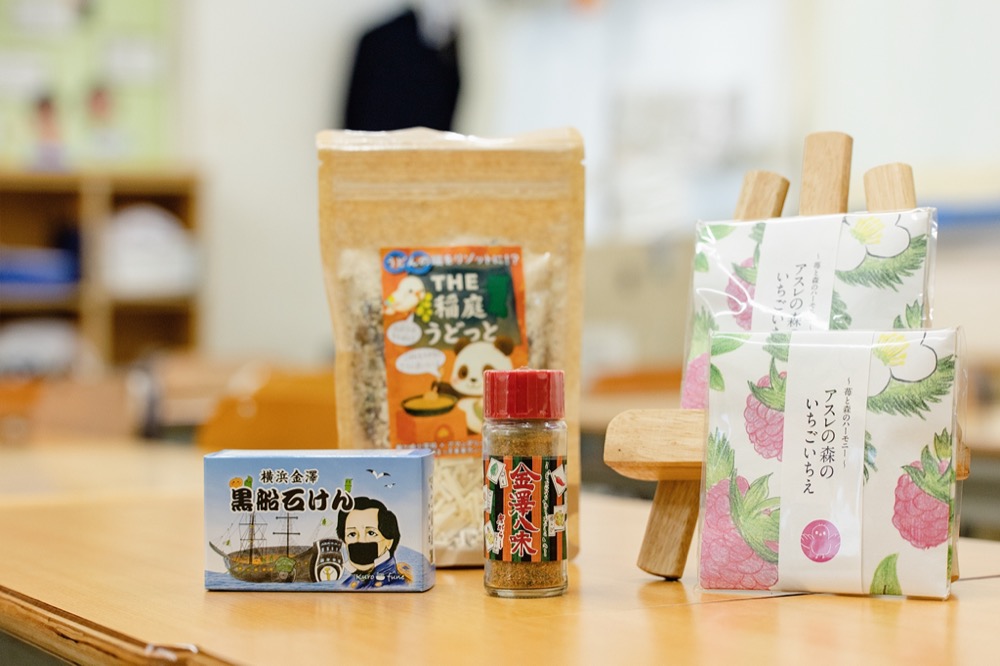
Products developed at Segasaki Elementary School, including packaging designed by the students, are still sold at local community hubs.
The project is being led by schoolteacher Tomo Kiriyama. He says that the initiative helps the idea of circularity permeate into children’s lives.
Kiriyama says the effects of these efforts become clear very quickly. When he teaches about circularity, children start asking whether or not something can still be used, or they begin making new things from materials they would have thrown away. He adds that children often spot ways to reuse what is in front of them that adults miss, and believes it is very important that such thinking becomes natural in daily life.
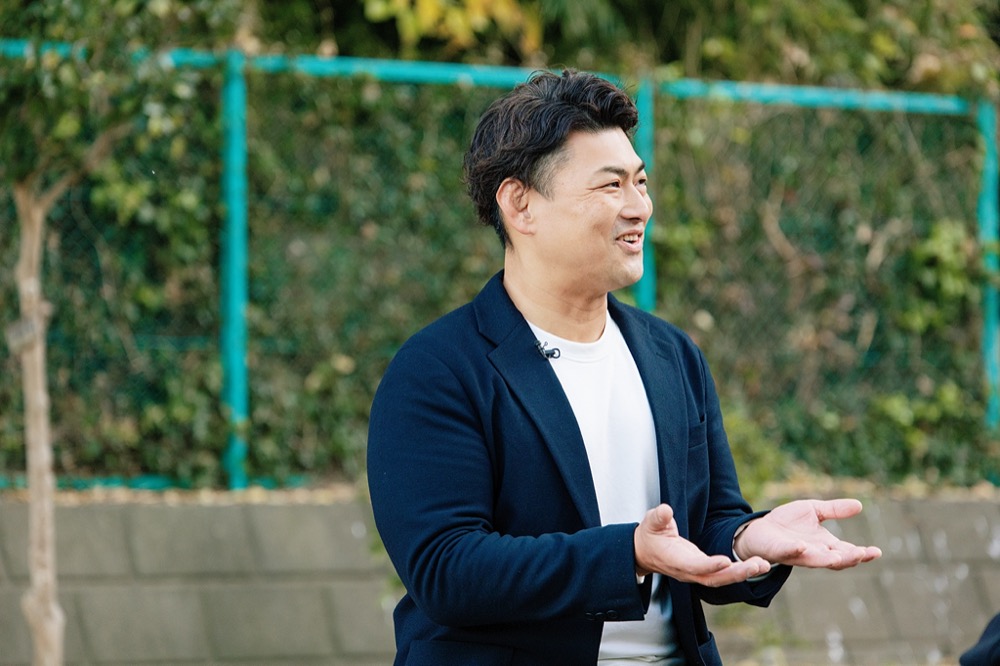
Tomo Kiriyama
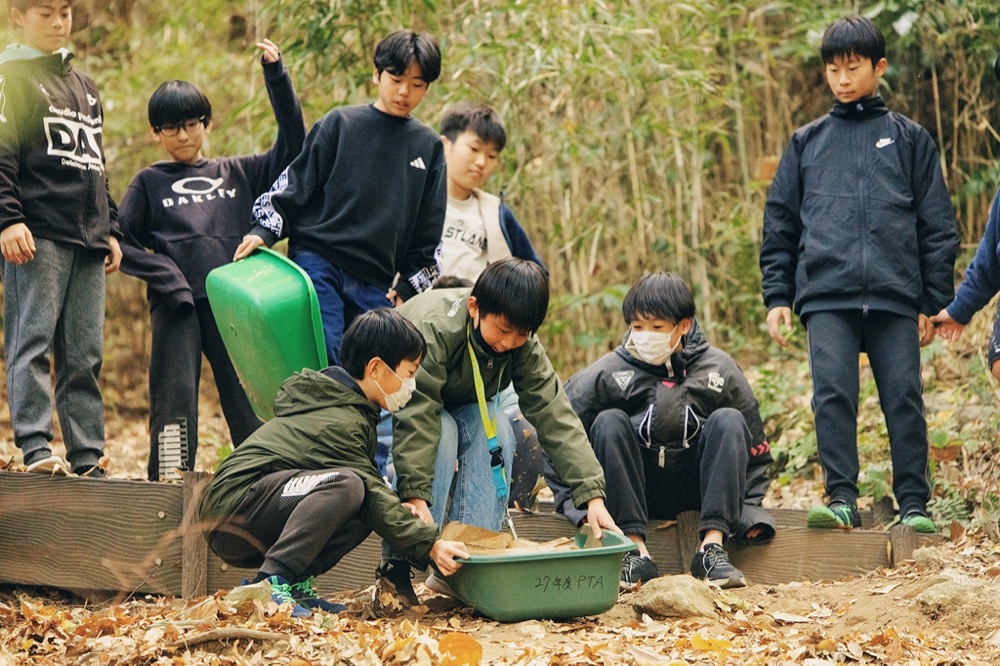
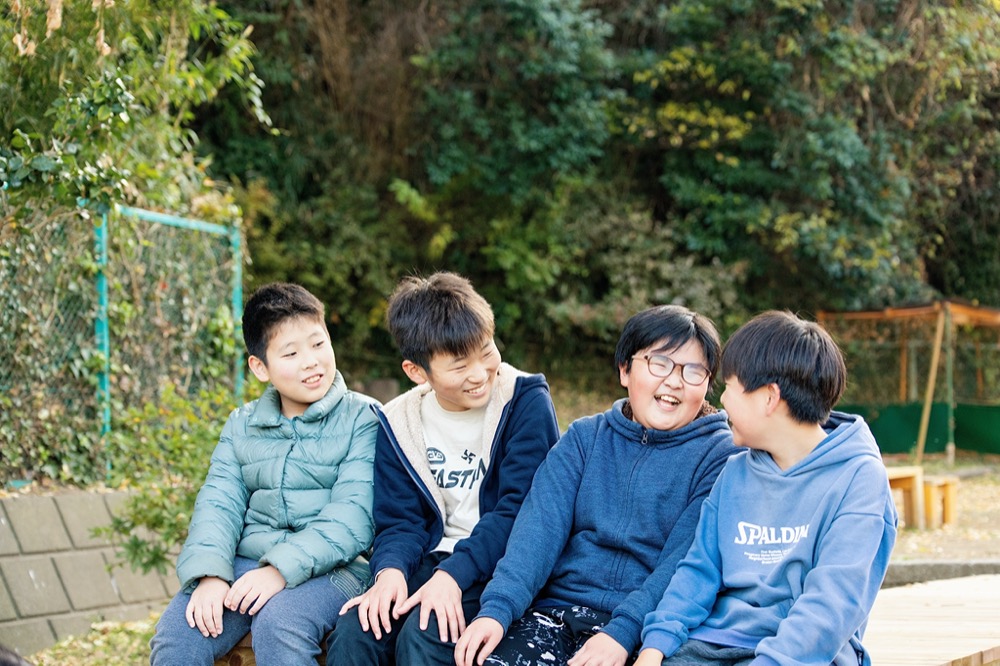
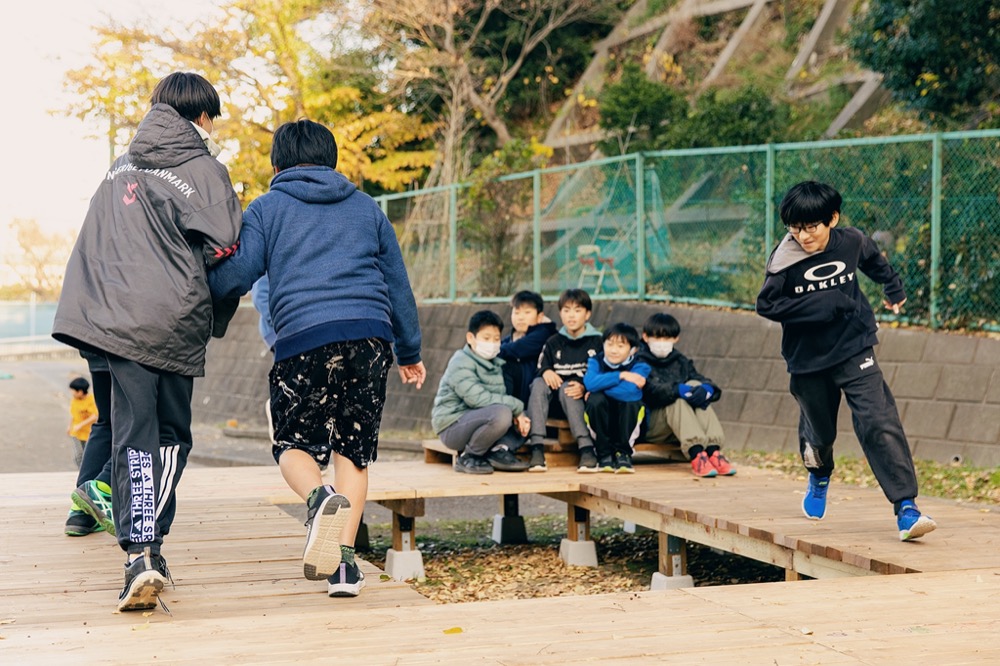
In addition to manufacturing, the school also runs the “Athletic Forest” project, in which they maintain the forest behind the school and build their own playground. Having nature close to where they can play to their heart’s content helps children feel at ease, and the students describe their time in the forest vividly. “Even just walking in the woods is fun because you come across so many different things,” one child said. “The fallen leaves make a great sound when you step on them. Even if I get bitten by insects, I still want to play in nature,” another added.
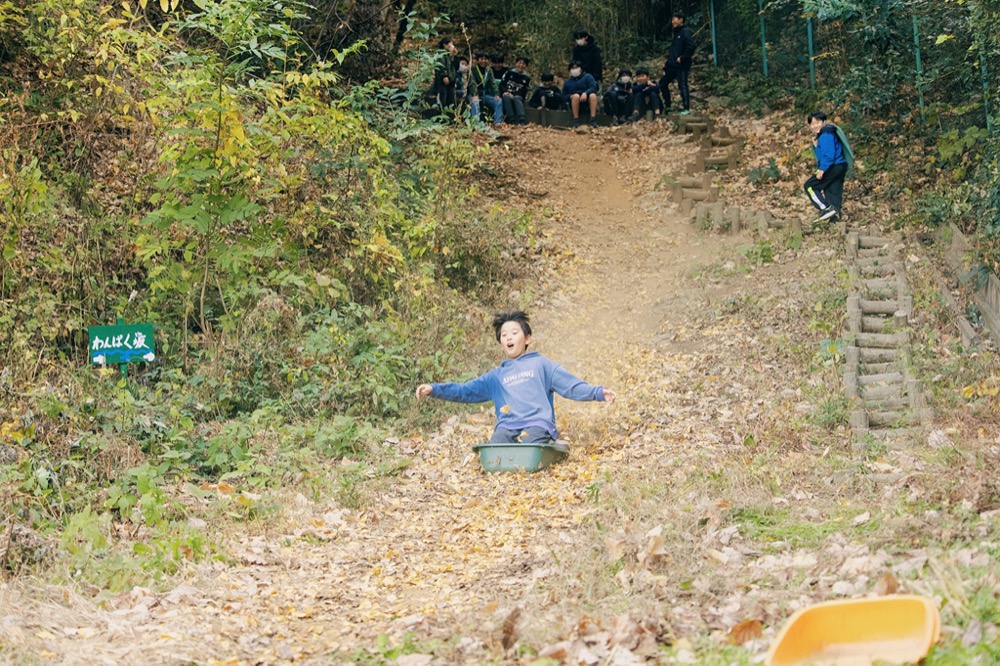
Elementary school students playing in the “Athletic Forest” where they helped maintain the slope and built a slide
Elementary school students playing in the “Athletic Forest” where they helped maintain the slope and built a slide
“Until now, we’ve lived in a linear economy, where you use something and then throw it away. But in a circular economy, you can make something new from things that were meant to be thrown away. I like that.”
The children explain concepts such as “linear” and “circular” clearly and in their own words. When they become adults, they will find value in familiar things and resources and find new uses for them. It is easy to imagine a Yokohama where that kind of thinking has become the norm.
Students of Segasaki Elementary School
The learning and relationships formed at Segasaki Elementary School have a great influence on students’ lives long after they graduate. Airi Ikejiri and Otoha Ikejiri, graduates of Segasaki Elementary School who participated in making Kanazawa Hachimi in 2019, still remember their own hands-on work preparing shiso(Japanese basil) by drying and grinding it. Now in their third year of high school, they are developing a cosmetics project of their own, working with local companies and with Kiriyama.
Airi says circularity feels easy to bring into everyday life, or even like something that is already there.
Having learned these ideas at Segasaki, the two students are now on the cusp of adulthood as part of the next generation shaping Yokohama’s future.
Otoha says she hopes Yokohama will be a city where people of many backgrounds, from children to older residents, as well as people of different nationalities, can live safely and happily. She also hopes it will be a place residents are proud to call home and proud to tell the world about.
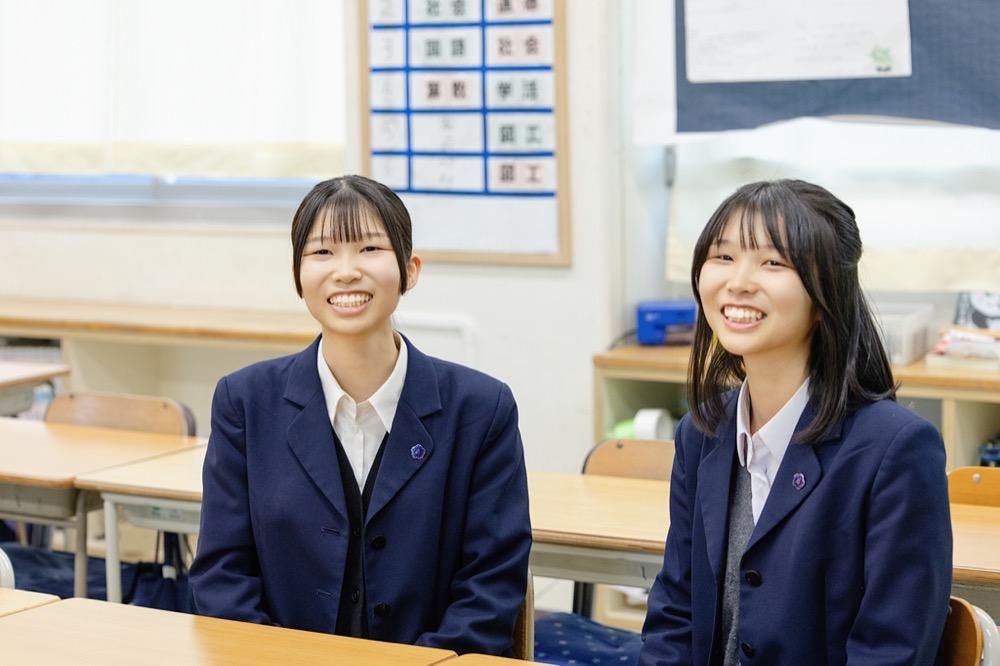
From left: Otoha Ikejiri and Airi Ikejiri
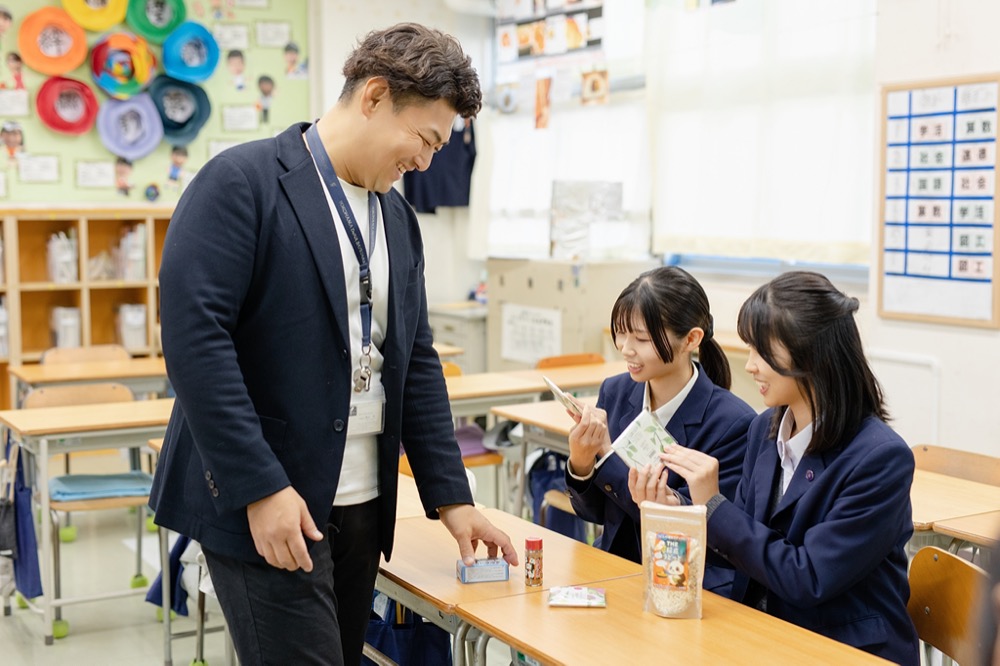
Looking at the products developed by themselves and their juniors.
▶️Read the STYLE100 article here: Creating a Natural Playground in the Community
Making Local Passion Global: STYLE100 Shaping the Path to the GREEN×EXPO 2027
We see Yokohama citizen’s energy come forth across different fields, from beer and Jike’s traditional Satoyama environment, to education for future generations. Through STYLE100, Yokohama City hopes to strengthen this civic power further and help it continue to grow.
Iwashita notes that it has been a profound learning opportunity for the city government. Through interviews, the staff have been able to listen closely to citizens and build new relationships, which he believes is leading to constructive growth.
Konagai adds that the project has helped empower practitioners’ own future enterprises. She recalls an interviewee sharing that being featured in STYLE100 was like having a ‘business card’ for their work, making her feel the project’s significance.
Recognizing that practitioners often face challenges in trying to take the next step, the city held an “Open Session” in the summer of 2025. This event brought together people featured in STYLE100 to connect and explore new possibilities. Iwashita recalls he was glad to hear that some of the groups that met there went on to start new initiatives of their own.
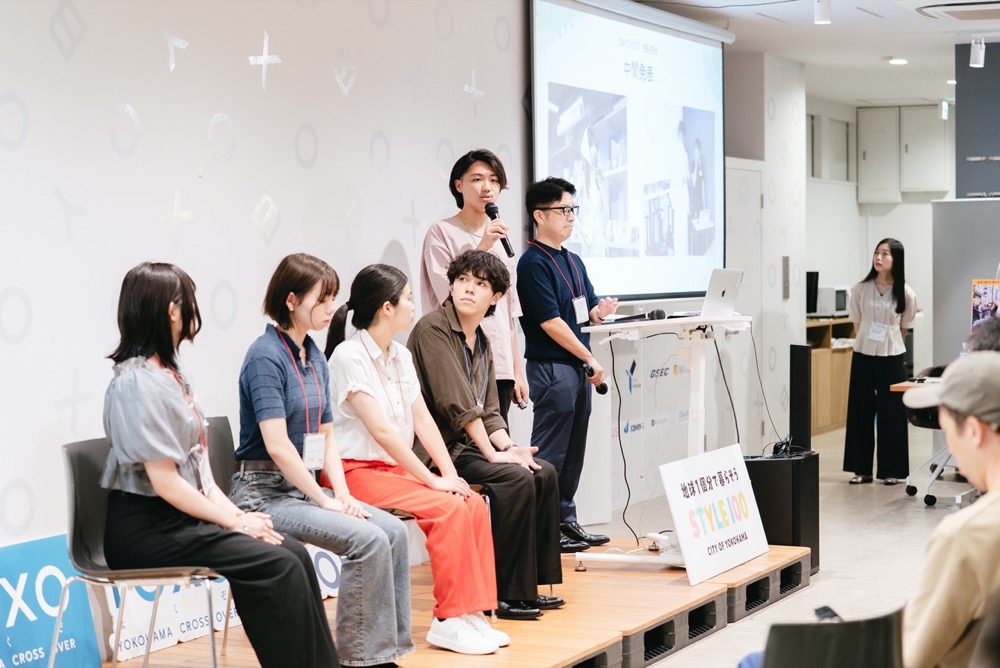
Source: City of Yokohama “One hundred ways of sustainable living: STYLE100”
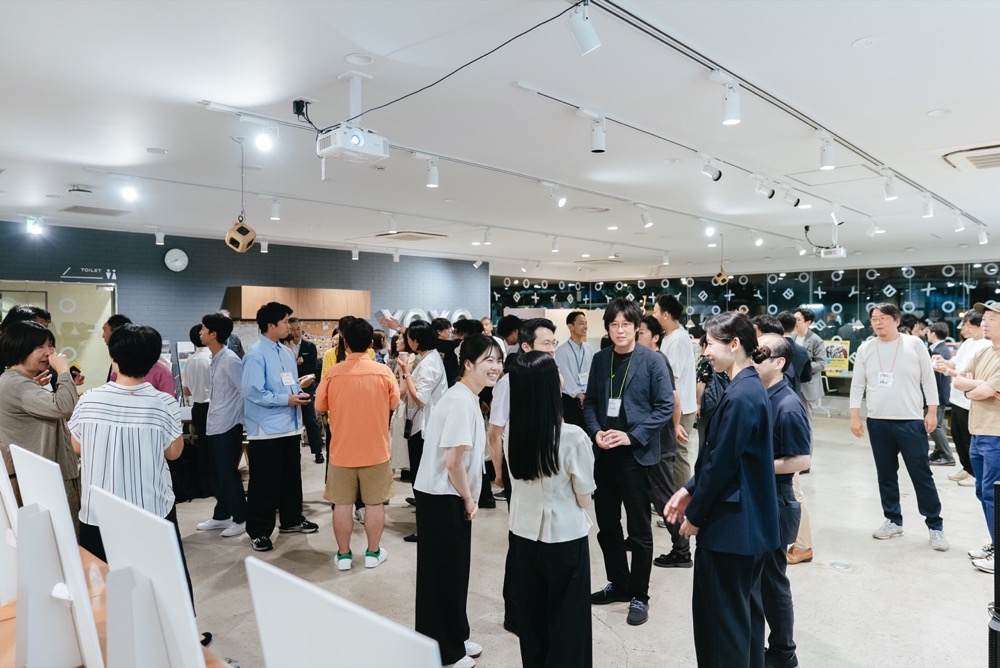
At the STYLE100 Open Session held at YOXO BOX in Naka Ward, Yokohama on July 11, 2025 / Source: City of Yokohama “One hundred ways of sustainable living: STYLE100”
Looking ahead, the team is determined to expand this framework. Iwashita wants to involve not only those featured so far, but also the wider community. He says the city hopes to share Yokohama’s Civic Power with the world. Recently, the team has begun sharing its work internationally, including producing videos with English subtitles. With GREEN×EXPO 2027 (International Horticultural Expo 2027) on the horizon, Yokohama plans to highlight 100 sustainable practices, unveiling Yokohama’s “STYLE for the future” to audiences in Japan and abroad.
Konagai concludes that even a small shift in how someone thinks or acts after encountering STYLE100 can be the first step towards a greener society. She expresses a desire to continue supporting the first steps of these citizens, helping make low-impact living become the norm.
Video introducing the GREEN × EXPO 2027
Reflections on Our Journey
These interviews reaffirmed our belief that Yokohama’s greatest asset is its “civic power,” shaped by the deep affection people have for their city.
The citizens we met with were not acting out of any sense of obligation to “do the right thing.” Instead, what stood out was a thoughtful yet creative, open‑minded approach grounded in a sincere intention to improve their surroundings, accompanied by a quiet sense of responsibility and satisfaction in the process itself.
When the conversation turns to circular cities, the focus often falls on government-led regulation and large-scale infrastructure. These measures matter, and Yokohama has its own responsibilities in that regard. Yet in a city where so many people act out of curiosity, care, and commitment, another path is just as possible.
Just as Yokohama once welcomed diverse influences as an open port and shaped them into something uniquely its own, we believe the idea of circularity can also grow into a shared culture, rooted in everyday habits and adjustments in mindset. This steady, citizen-shaped evolution is what will make the transition both lasting and resilient.
Within this process, the city government’s role is to recognize and highlight the efforts already taking shape in the community, and to support them in meaningful ways. Our pride comes not from our position, but from having the opportunity to walk alongside citizens who imagine and work to shape a better urban future. We want to present the concept of circular economy not only as a response to challenges, but as a positive, creative form of richness that makes life better.
Every city has its own scale and character. Even so, by supporting citizen-led initiatives and working with communities as co-creators, Yokohama’s approach offers ideas that can be adapted and applied in other urban contexts.
Our hope is that this spirit continues to mature into a certain“Yokohama style” that reflects the city’s unique identity and inspires practical approaches that other cities can adapt and make their own, quietly generating new connections, ideas, and innovation across borders.
Select photography: Chikako Togo
[Related post]
How Yokohama Empowers Civic Engagement[Yokohama’s Circular Journey, Vol.1]
From Yokohama to Asia: Sharing Pathways for Circular Cities[ Yokohama’s Circular Journey, Vol.2]
How “Civic Power” is Building a Sustainable Future [Yokohama’s Circular Journey, Vol.3]
[Reference]
1.Yokohama G30 Plan: https://www.city.yokohama.lg.jp/city-info/yokohamashi/org/shigen/sonota/hoshin/g30/
2.Asia Smart City Conference (ASCC): https://ascc.city.yokohama.lg.jp/
3.STYLE100 Project: https://style100.city.yokohama.lg.jp/article/
4.Yokohama Beer: https://yokohamabeer.com/
5.kitafuku (Craft Beer Paper): https://kitafuku-project.com/
6.JIKE STUDIO: https://www.galleryajike.com/

Motomi Souma
Latest posts by Motomi Souma (see all)
- Yokohama’s Circular Journey: How “Civic Power” is Building a Sustainable Future [Yokohama’s Circular Journey, Vol.4] - 2026/3/30
- How “Civic Power” is Building a Sustainable Future [Yokohama’s Circular Journey, Vol.3] - 2026/3/30
- From Yokohama to Asia: Sharing Pathways for Circular Cities[ Yokohama’s Circular Journey, Vol.2] - 2026/3/24
![How “Civic Power” is Building a Sustainable Future [Yokohama’s Circular Journey, Vol.3]](https://circular.yokohama/wp-content/uploads/2027/03/style100-4-300x200.jpg)
![How Yokohama Empowers Civic Engagement[Yokohama’s Circular Journey, Vol.1]](https://circular.yokohama/wp-content/uploads/2026/02/yokohamacity_internationalaffairsbureau-300x199.jpg)