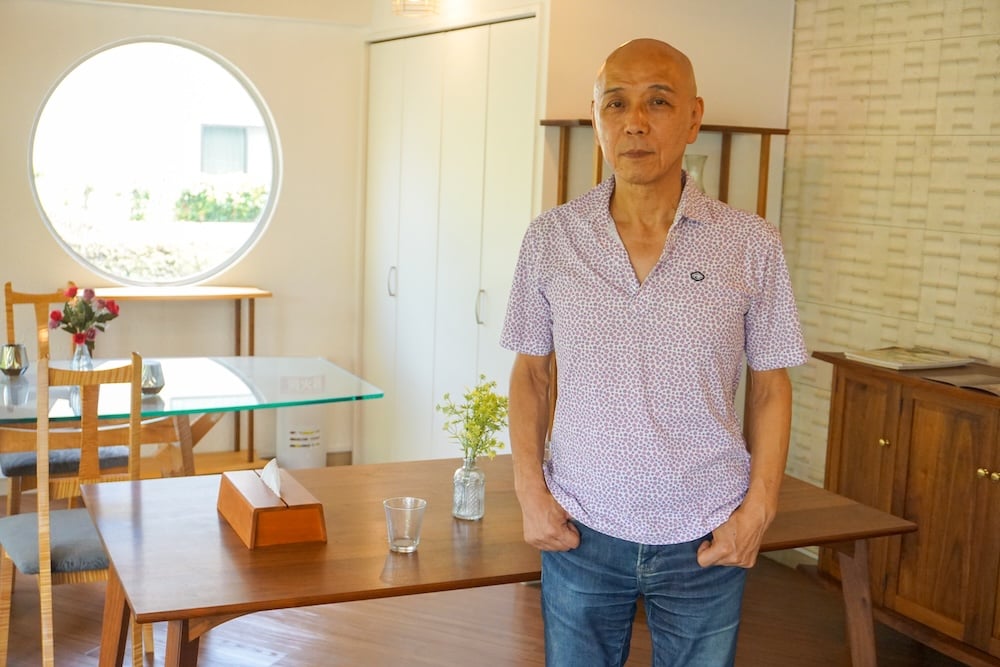
Yokohama furniture is said to have its roots in the repair of imported Western pieces brought into Yokohama, and it has continued to evolve by blending Japanese woodworking techniques with Western furniture design. The sole bearer of this tradition and craft is Rengeso Motomachi Kobo, led by Yokohama Meister (※) Katsuto Uchida (内田勝人). In this article, we speak with Meister Uchida about what he values as a furniture craftsman and his thoughts on passing his skills on to the next generation.
※ The Yokohama Meister program is a City of Yokohama initiative that recognizes outstanding skilled tradespeople who contribute to the lives and culture of residents. Marking its 30th anniversary in 2026, the designated Yokohama Meisters serve as representatives of the city’s skilled trades community, dedicating themselves to nurturing the next generation and preserving traditional techniques. In this series, we ask Yokohama Meisters active across a wide range of fields to share their personal beliefs and professional aspirations.
※ This article is a lightly edited reprint of a piece originally published on “Watashito,” a media platform operated by YourMystar Co., Ltd.
From fashion designer to furniture craftsman
—— Could you tell us what led you to become a furniture craftsman?
From a young age, I loved drawing and making things. I wanted to pursue a craft-based path rather than go to high school, but I gave up on that idea at my parents’ urging.
When it came to university, I considered art schools and was also interested in architecture and interior design, but in the end I went into fashion and started working at an apparel company.
The thing is, in apparel it takes about a year and a half from the initial concept to a finished product. While you’re working on spring/summer, the next autumn/winter collection is already underway. After four or five years, I started to feel increasingly uneasy about that kind of cycle and the culture of the fashion industry in general.
In the middle of all that inner conflict, I came home from work one evening and turned on the TV. There was a furniture craftsman on screen, sitting on a cushion under a bare light bulb, drawing a hand plane. He was talking about how he could build a cabinet in about two weeks.
Design it yourself, build it yourself, finished in two weeks — I thought, now that’s something. Right then and there, I wrote my resignation letter and handed it in the next morning. (Laughs.)
—— That’s remarkable decisiveness! How did you go about learning furniture-making after you left?
After I quit, I went looking for somewhere to work and visited a furniture workshop I liked several times, but I was turned away every time.
Eventually, someone at the workshop mentioned, “Do you know about vocational training schools?” They also told me that workshops would only hire people with experience. If I completed one or two years at a training school, I could apply as an experienced candidate — so I looked into it and found a woodworking school in Hadano, Kanagawa Prefecture. I picked up the paperwork from the municipal office on the very last day of the application period and enrolled just in time. I spent a year there studying woodworking.
Apprenticeship days: a fateful reunion at a Yokohama furniture workshop
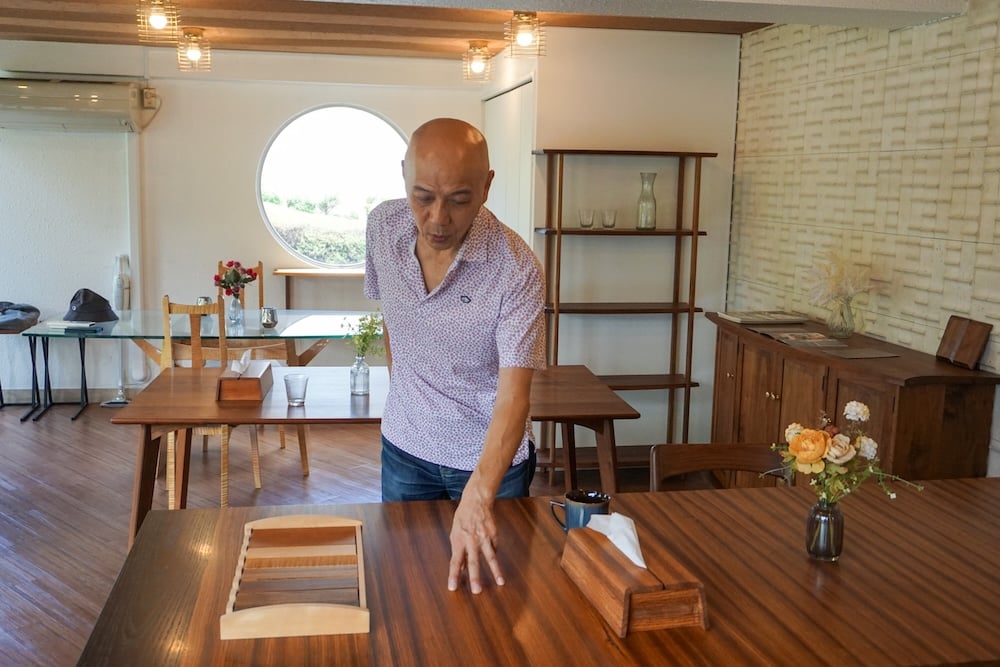
—— After graduating from the training school, I understand you joined a furniture workshop in Motomachi, Yokohama.
The first place I went during my job search was Motomachi. At the time, I had no idea that Yokohama furniture even existed.
The workshop I was shown to was an old, single-story wooden building just one street back from Motomachi’s main thoroughfare. When I stepped inside, about ten craftsmen in their fifties and sixties were lined up working. And at the very back — to my astonishment — was the craftsman I had seen on television.
When I’d watched that program, I had no idea whether the workshop was in Hokkaido or Kyushu. And yet, by pure chance, the very first workshop I visited was where that craftsman worked. I thought to myself: this is the only place for me.
—— What kind of tasks does an apprentice furniture craftsman start with?
You begin by assisting with “kidori” — selecting and cutting the timber. If you’re making a table, for example, you take a piece of wood about three meters long, cut out the boards for the tabletop and the parts for the legs, plane them perfectly square, and hand them to the craftsman. It’s more physical labor than finishing work with a hand plane. I did that for about two years.
—— How did you learn techniques from the senior craftsmen?
Basically, the craftsmen didn’t teach you anything. Apart from “good morning” when you arrived and “good work today” when you left, you’d barely hear their voices. Even if you didn’t understand something, you couldn’t just ask, “Excuse me, how do I use this plane?” You had to figure it out on your own.
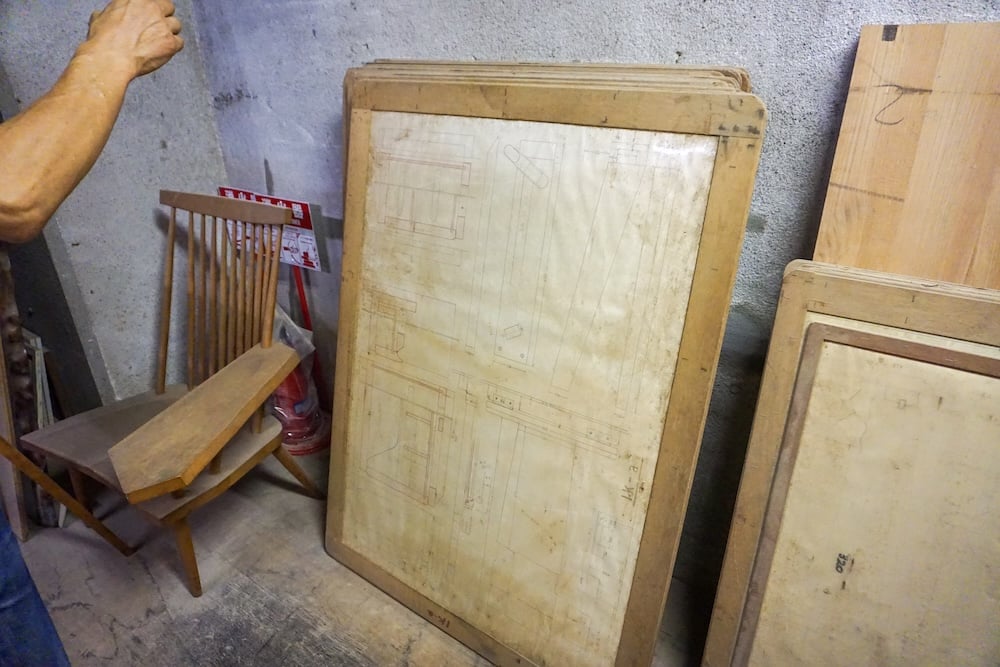
In the storeroom there were many completed pieces of furniture waiting to be painted. I would carefully disassemble them, study the construction, and put them back together. The finished furniture was my teacher.
Of course, the craftsmen knew perfectly well that you couldn’t learn without some guidance. So occasionally one would come over and mutter something under his breath — but as a novice, I couldn’t make sense of it. Sometimes it took three months, sometimes as long as ten years, before something would suddenly click and I’d think, “So that’s what he meant back then.”
Yokohama furniture: born from the repair of imported pieces, shaped for Japanese life
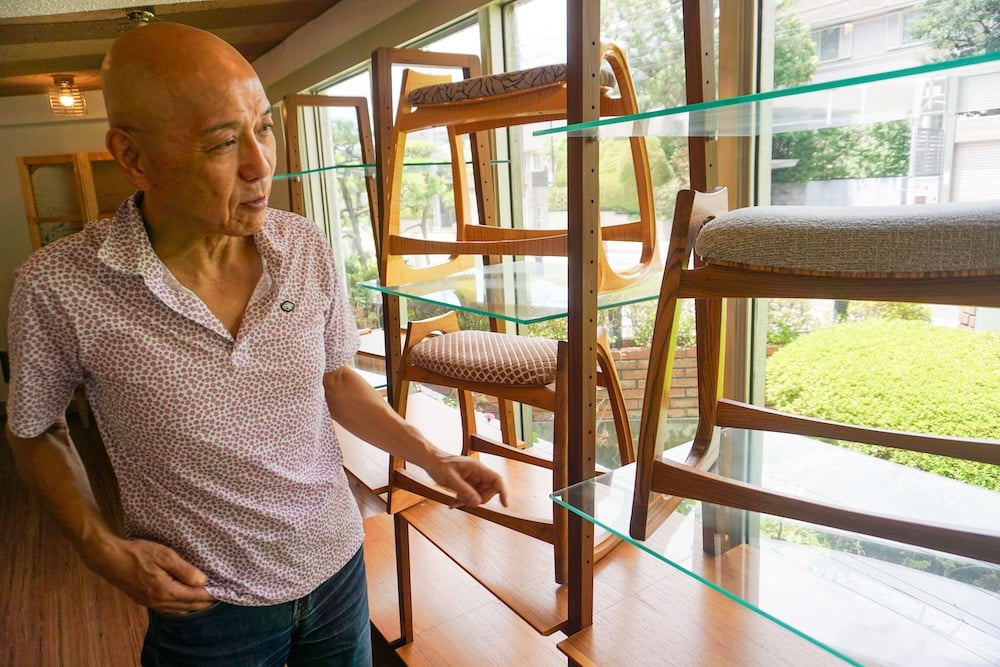
—— As a maker, what do you find most appealing about Yokohama furniture?
A clear definition of Yokohama furniture is hard to pin down, even though you’d think there would be one. Among craftsmen, there was even a distinction based on which side of the river a workshop was on — Motomachi side or the other — so some called it “Motomachi furniture.” But I think it came to be known as Yokohama furniture, or Yokohama Motomachi furniture, because Yokohama carries more international recognition than Motomachi.
Yokohama furniture is said to have originated in the repair of Western furniture that arrived from abroad. The craftsmen who took on that work were makers of traditional Japanese furniture and shrine carpenters — people skilled in Japanese woodworking who worked with hand planes.
Western furniture has curved surfaces that Japanese furniture does not. In the West, files and rasps are used to shape them, but Japanese craftsmen thought: “Let’s make a plane that can cut this form.” It’s not unusual to use six different planes just to finish a single surface.
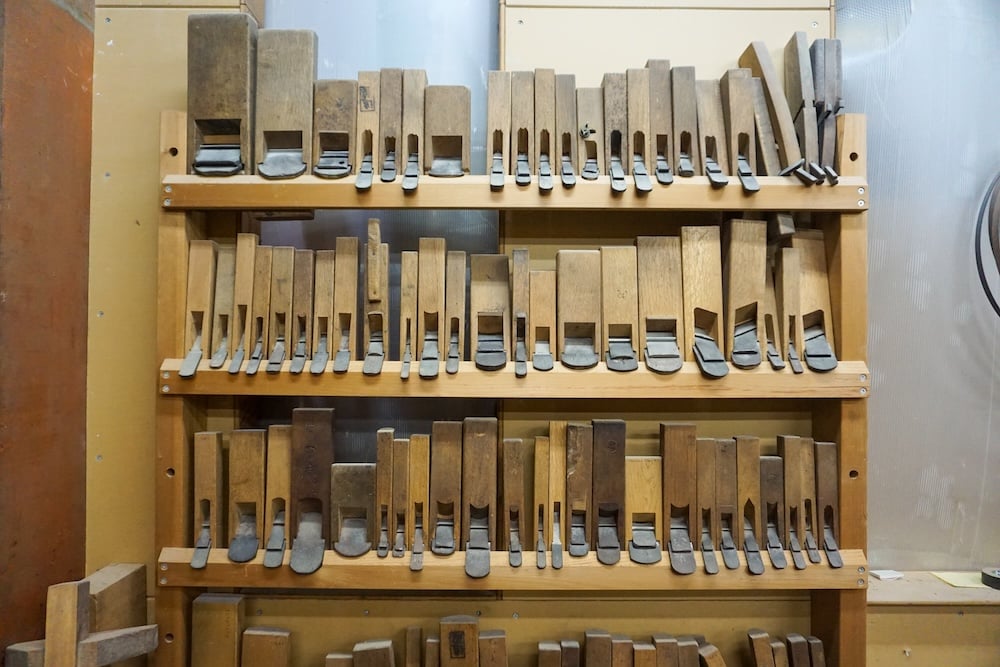
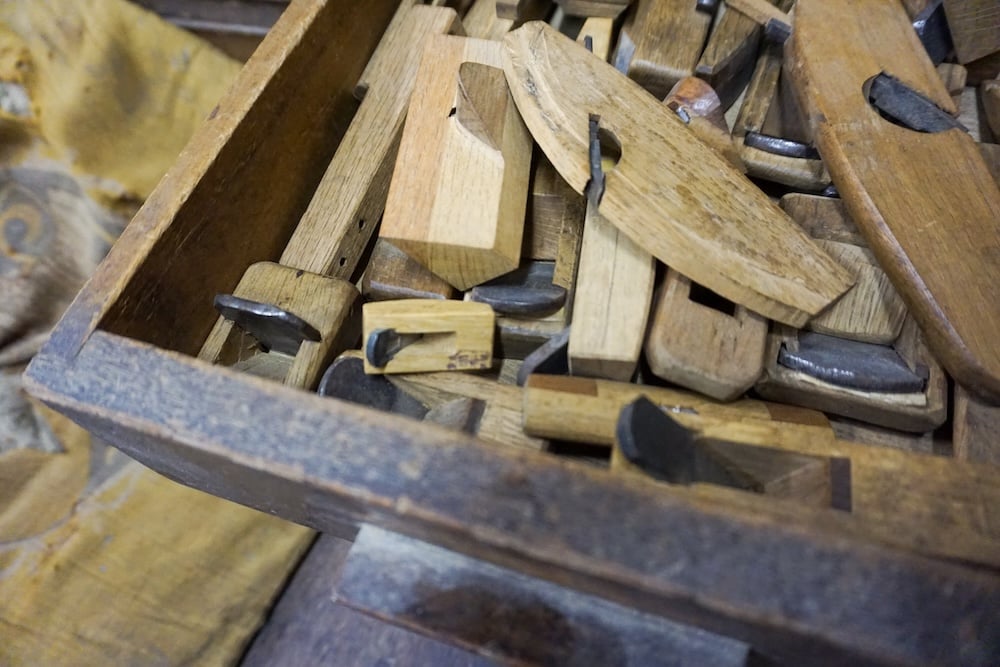
Joinery relies on mortise-and-tenon connections. If one component breaks, you simply make a replacement and swap it in — the piece can be used again. This isn’t unique to Yokohama furniture; I think traditional Japanese craftsmanship as a whole was built on that philosophy.
In the age of mass production, that approach was seen as out of step with the times. But now, values like “lohas” and “mottainai” — the idea of not wasting what still has value — have made it relevant again. It feels as though something that has been carried on for generations has suddenly leapt forward into the present.
—— What are the defining design characteristics of Yokohama furniture?
In the beginning, I think craftsmen simply reproduced or imported Western pieces as they were. But Western proportions didn’t suit Japanese body types, and the dimensions didn’t fit Japanese homes. So they began adjusting heights, widths, and other measurements to match Japanese standards.
The designs drew on whatever was coming in from abroad at any given time, but they were built using Japanese woodworking techniques and gradually adapted to suit Japanese physiques and ways of living. That, I believe, is what defines Yokohama furniture.
Imagining the owner’s life while building, and reshaping the piece as the years pass
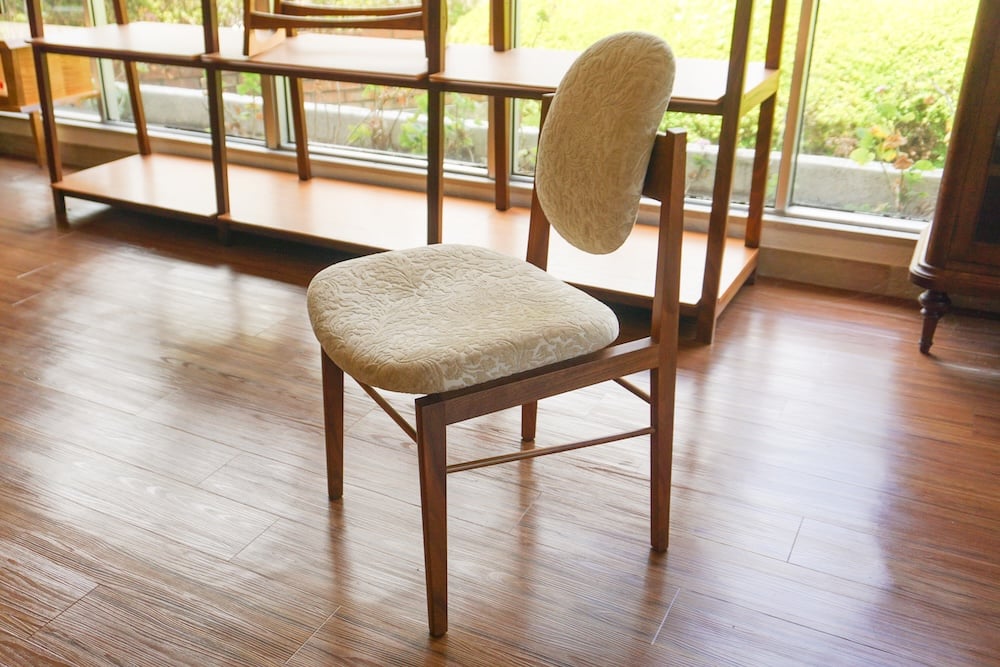
—— What do you keep in mind when making a piece of furniture?
If a customer says, “I’d like you to make me a table,” and I only ask for the dimensions, I still have no idea how that person actually lives. So whenever possible, I invite them to come to our showroom, or I visit their home.
We talk at length, I look at the house and how they live, and I might propose two or three different designs. For longer projects, I can spend up to a year developing ideas — enough to fill two books. What makes me happiest is knowing the piece has found its place in that person’s life.
Sometimes I receive the next order on the very day I deliver a piece. I bring the furniture over and they say, “Come and have a look at this other room,” or “Next, I’d love you to make this.” That means a great deal to me as well.
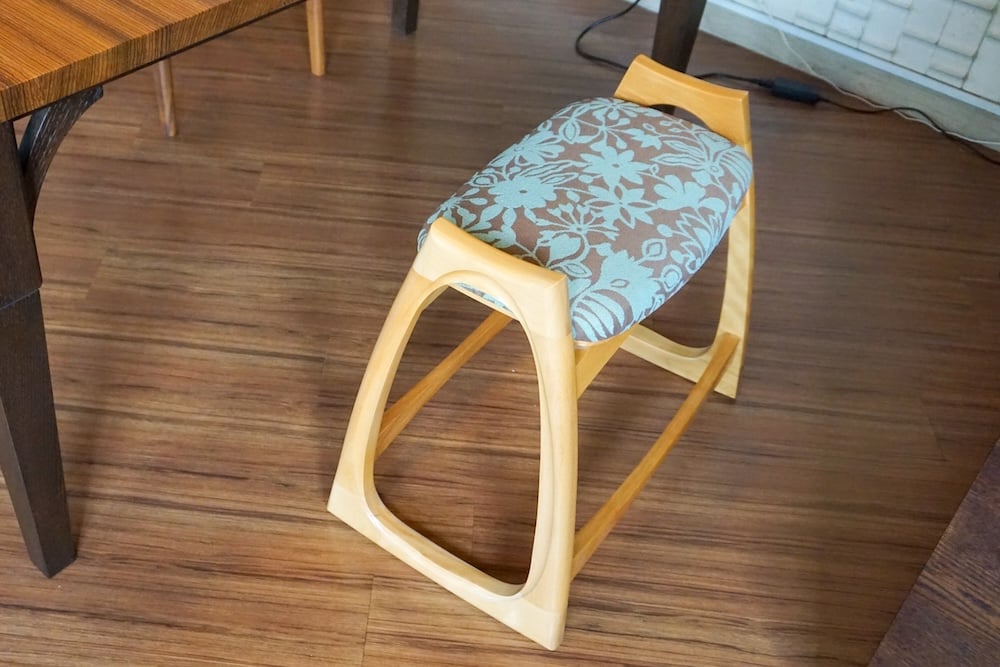
I don’t think a furniture craftsman’s role is simply to make furniture and repair it when it breaks.
A piece of furniture comes into being, and it may change shape to suit the life being lived around it. As children grow, a table might be raised, enlarged, or made smaller. When something breaks, you carry out a routine check-up, and depending on the condition, the piece might need a stay in the workshop — or even surgery. And if it truly cannot be saved, you have to let it go.
Being there for a piece of furniture from beginning to end, in whatever form that takes — that, to me, is what a furniture craftsman fundamentally does.
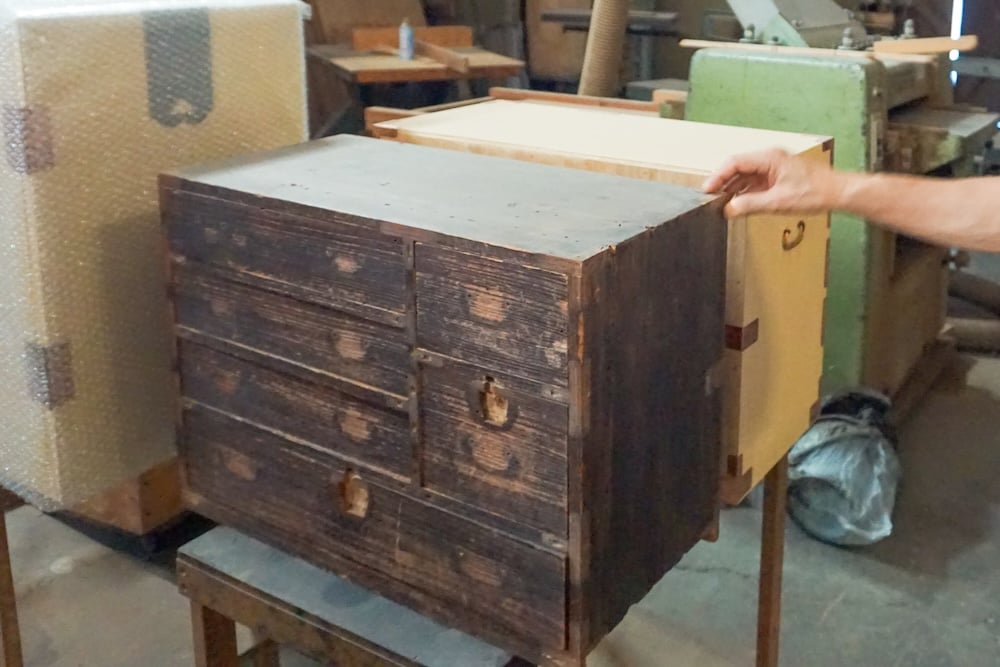
—— What do you keep in mind when repairing furniture?
With a solid-wood table, you can plane the surface and refinish it to make it look exactly like new. But that isn’t always what the customer wants.
When I collect a piece, I always ask whether they’d like every mark repaired. Sometimes they say, “Leave this scratch and that one, but take out everything else.” When I look closely, it might be three parallel gouges, as if made by a fork. I never ask why. Perhaps a child made them, or perhaps they hold some personal memory.
So I don’t fix what doesn’t need fixing. Restoration isn’t only about making something look brand new.
Passing on skills requires a system — not just individual effort
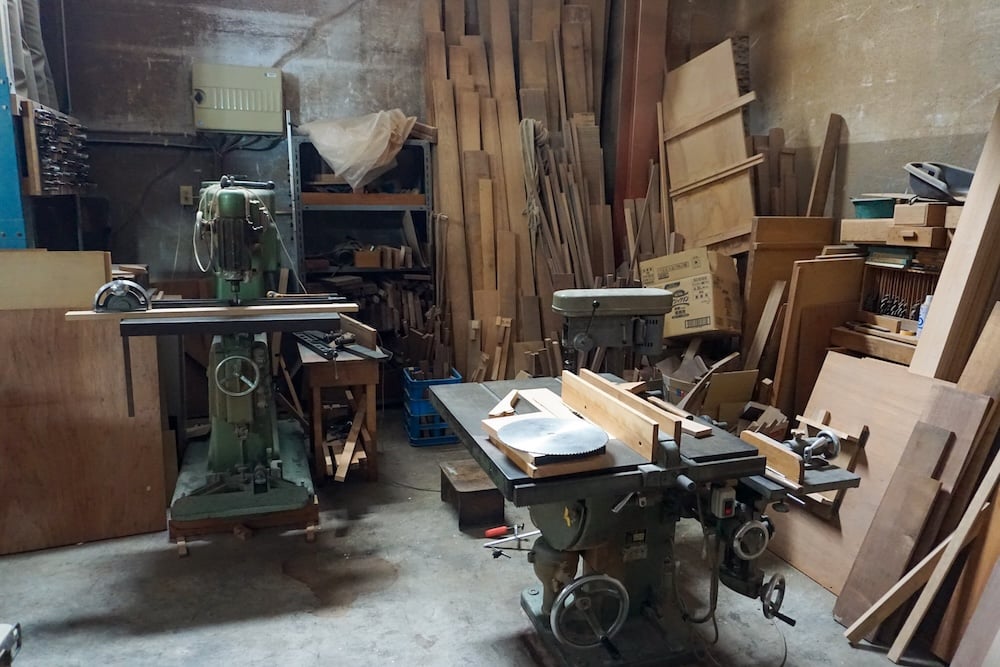
—— How do you think furniture craftsmen can contribute to society?
Restore a piece of furniture that has been used for fifty years to its original condition, and it can be used for another fifty. Use it for a hundred years in total, and the time a piece of furniture is in use aligns with the cycle of a tree growing to maturity.
Trees don’t grow in ten years. Yet if furniture is thrown away after just ten years, the time it takes a tree to grow and the time the furniture is in use are completely out of sync. If the length of time a tree grows and the length of time furniture is used could be brought into alignment, I believe we could create a true cycle.
In the past, making new furniture accounted for eighty or ninety percent of my work. But now I’m aiming for a fifty-fifty split: fifty percent creating new pieces, and fifty percent restoring furniture that has been used for around fifty years and come back to me. If I can balance making new things with repairing and extending the life of existing ones, I can move closer to a world where furniture lasts a hundred years.
—— What do you feel is needed to pass these skills on to the future?
There are people who want to learn from craftsmen. When the City of Yokohama previously held a furniture craftsman training course, we had dozens of applicants for just five or six places. At the end of the three-month course, we handed out a survey, and almost everyone said they wanted to keep going. So after the city’s program ended, I set up a space in my own workshop, and my son — who has taken over as instructor — has continued running it ever since.
But it’s simply not sustainable for a sole craftsman to keep teaching indefinitely. You have to stop your own work to do it. And for the learners, it’s not realistic to quit their current jobs and come in as apprentices, nor can a master craftsman support their livelihoods. What we need is a system where those who teach can earn an income while doing so, and those who learn can acquire skills without having to abandon their current lives entirely.
Looking further ahead, I think it would be wonderful to have a shared workshop that Yokohama Meisters from many different fields could use. There are people who come all the way from Europe and across Asia specifically to learn Japanese woodworking. A place where they could stay and study, and where Yokohama craftsmen could teach — that’s what I envision.
Rather than leaving everything to individual craftsmen, we need to build a system that can pass the many forms of handcraft still alive in Yokohama on to the next generation. I believe that is what will ensure the continuation and growth of Yokohama’s craft traditions.
Editor’s note
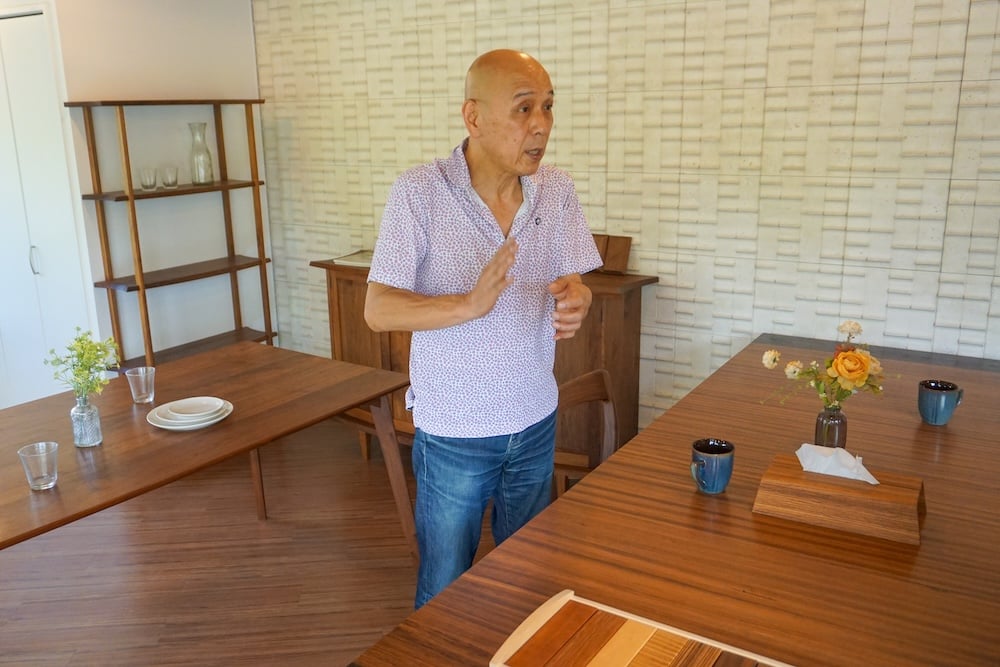
Listening to Meister Uchida speak with such vivid enthusiasm about the details of furniture construction and the character of wood grain, his deep passion for making things came through clearly. The chair I sat in during the interview was also one of his creations — and beyond its beautiful design, I was genuinely moved by how comfortable it was to sit in.
Yokohama furniture, when properly cared for, can last a hundred years. Hearing his story and touching the pieces in person, I came to feel that what makes it possible to keep using furniture for so long is not just the act of repair, but the Meister’s skill and his genuine attentiveness to the people who use his work. For the sake of our finite forest resources, it seems worth choosing furniture we can live with for the long haul.
Workshop information
Name: Rengeso Motomachi Kobo Co., Ltd.
Address: 3-3-18 Shinyamashita, Naka-ku, Yokohama, Kanagawa
Website: https://www.rengeso.jp/
【Source article】Use furniture for 100 years and it aligns with the cycle of a growing tree. A craftsman’s job is to look after a piece of furniture for its entire life. [Yokohama Meister: Katsuto Uchida]
【Related article】Throwing clothes away after one wear is a waste. I want to spread the joy of enjoying fashion for longer — through dry cleaning. [Yokohama Meister]
【Related article】Two days when the streets of Yokohama overflowed with people caring for their belongings: an event report on “Fix It Circuit” along Osanbashi-dori