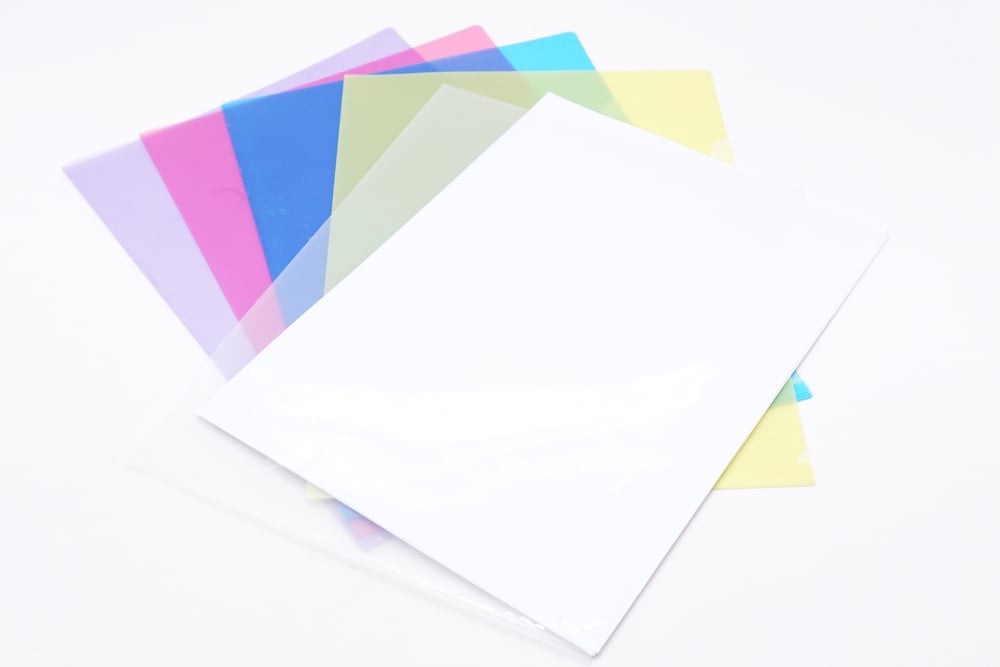
Yokohama City has launched a pilot project to establish a resource circulation model for used plastic clear folders within the Minato Mirai 21 district. This is a collaboration between the municipal government, the Yokohama SDGs Design Center, Mitsubishi Estate, and Mitsubishi Estate Property Management, and they seek to turn common office waste into high-value industrial materials, including automotive parts.
While the Minato Mirai 21 district has focused heavily on decarbonising its electricity supply, this latest project is another push by the city towards the circular economy, addressing the challenges of plastic recovery in high-density office environments.
Clear folders are a staple of Japanese office culture. Primarily manufactured from polypropylene (PP), these folders are technically well-suited for recycling because they rarely contain mixed materials. However, historically, their thin and lightweight characteristic has made efficient, large-scale collection a logistical challenge. The project partners aim to achieve the volume necessary for a viable circular system by coordinating recovery efforts across major landmarks.
The recovered folders are processed into recycled plastic pellets. Between January and February 2026, these pellets will be used to manufacture automotive components, from which the partners will verify the business feasibility and technical potential of the recycled material. The project also explores the possibility of “local production for local consumption” by considering how future products made from these folders can be returned to the Minato Mirai community.
The project also incorporates a social and educational aspect. A portion of the recycled pellets will be used in collaboration with Kanagawa University and FabLab Minato Mirai for environmental awareness activities. On 31 January, the district will host a workshop at the YOXO FESTIVAL 2026, where participants can melt the recycled pellets to create unique badges, testing the tangible value of waste for the public.
The pilot concludes in March 2026 with a comprehensive evaluation of the project’s business potential.
*This article is originally released on Zenbird.
[Related Post]Yokohama City launches textile drive for GREEN×EXPO 2027 uniforms
[Related Post]Minato Mirai Circular City Project: Co-creating a Decarbonized Future in Yokohama